Table of Contents
Toggle7 Ways to Live According to Islam: A Practical Guide
Quick Answer : The 7 Ways to Live According to Islam for a Blessed Life begin with strengthening your relationship with Allah through sincere worship and obedience. Islam also teaches believers to follow the Quran and Sunnah practice good character maintain honest relationships show gratitude and help others. These habits bring barakah into daily life and help a Muslim build a peaceful purposeful and spiritually balanced life.
Many Muslims want to know how to live according to Islam in their everyday lives. Islam provides guidance not only for worship, but also for family relationships, personal character, work, finances, social responsibilities, and our relationship with Allah.
The Quran describes itself as “a guide for those mindful of Allah” (Surah Al-Baqarah 2:2). The life and Sunnah of Prophet Muhammad ﷺ provide a practical example of how Islamic guidance can be applied in everyday situations.
So, what does it actually mean to live according to Islam?
In simple terms, it means believing in Allah, fulfilling the obligations of Islam, following the Quran and Sunnah, avoiding what Allah has prohibited, treating people fairly, developing good character, earning through halal means, and remembering our accountability in the Hereafter.
What Does It Mean to Live According to Islam?
The Islamic way of life is not limited to attending the mosque, performing Salah, or reading the Quran. These acts of worship are essential, but Islam also teaches Muslims how to behave outside formal acts of worship.
A Muslim’s faith should influence how they speak, work, earn money, treat their parents, interact with their spouse and children, conduct business, deal with difficulties, and make everyday decisions.
Living according to Islam is therefore a lifelong process of faith, worship, knowledge, character, responsibility, and obedience to Allah.
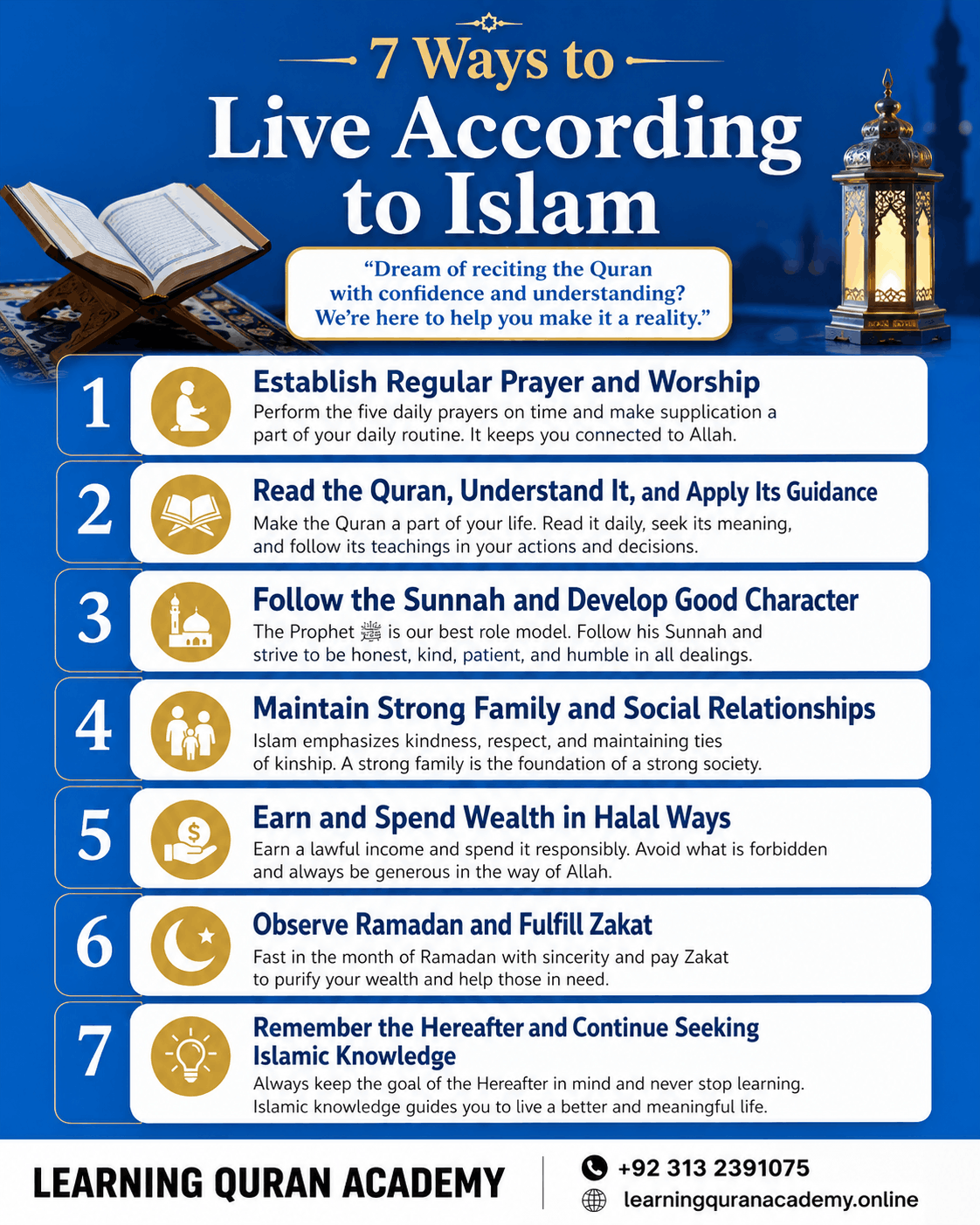
7 Ways to Live According to Islam
Now We Will discuss 7 Way in deatils:
1. Establish Regular Prayer and Worship
One of the most important ways to live according to Islam is to establish regular worship, beginning with the five daily prayers.
Salah gives structure to a Muslim’s day and provides regular opportunities to remember Allah. Along with prayer, Muslims should make time for Quran recitation, Dhikr, Dua, and other acts of worship.
The Quran explicitly connects prayer with Zakat and other righteous actions. Allah says:
“And establish prayer and give zakah, and whatever good you put forward for yourselves—you will find it with Allah.”
Quran, Surah Al-Baqarah 2:110
However, worship should also influence a person’s character. The objective is not simply to perform religious actions mechanically, but to allow faith to shape everyday behavior.
Practical step: Protect the five daily prayers, set aside time for Quran reading, and make regular Dua.
2. Read the Quran, Understand It, and Apply Its Guidance
Learning to read the Quran is an important part of a Muslim’s life, but living according to the Quran also requires understanding and reflection.
The Quran describes itself as guidance for those who are mindful of Allah:
“This is the Book! There is no doubt about it—a guide for those mindful of Allah.”
Quran, Surah Al-Baqarah 2:2
This guidance covers matters such as faith, worship, morality, family relationships, justice, patience, charity, and personal responsibility.
For example, if a person learns from the Quran about honesty, that teaching should influence how they communicate with customers, colleagues, family members, and friends. If they learn about patience, they should try to practice patience when facing difficulties.
This is why Quran learning and Tafseer are valuable. They help Muslims move beyond simply reading words toward understanding their meanings and applying Islamic teachings appropriately.
Practical step: Read a portion of the Quran regularly with a reliable translation and, where appropriate, study its Tafseer with a qualified teacher.
3. Follow the Sunnah and Develop Good Character
The Quran provides fundamental guidance, while the Sunnah of Prophet Muhammad ﷺ demonstrates how Islamic teachings can be practiced.
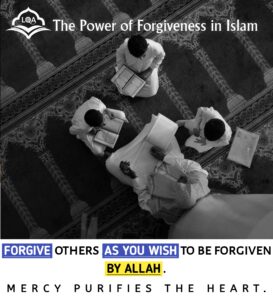
Following the Sunnah includes worship, manners, honesty, patience, mercy, humility, forgiveness, and proper treatment of other people.
Aisha رضي الله عنها was asked about the character of the Messenger of Allah ﷺ. She replied by directing the questioner to the Quran and described his character as the Quran. This narration is recorded in Sahih Muslim 746a.
This provides an important lesson for anyone learning how to live according to Islam: Islamic practice should affect both worship and character.
A person may know many religious facts, but Islamic knowledge should ultimately help improve how they speak, behave, make decisions, and treat others.
Practical step: Choose one character trait—such as patience, honesty, controlling anger, or forgiveness—and consciously work on it every day.
4. Maintain Strong Family and Social Relationships
Islam gives significant importance to how Muslims treat other people.
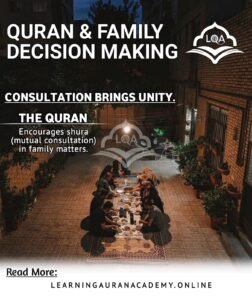
Living according to Islam includes respecting parents, fulfilling family responsibilities, treating one’s spouse and children with kindness, maintaining relationships with relatives, respecting neighbors, and dealing fairly with other members of society.
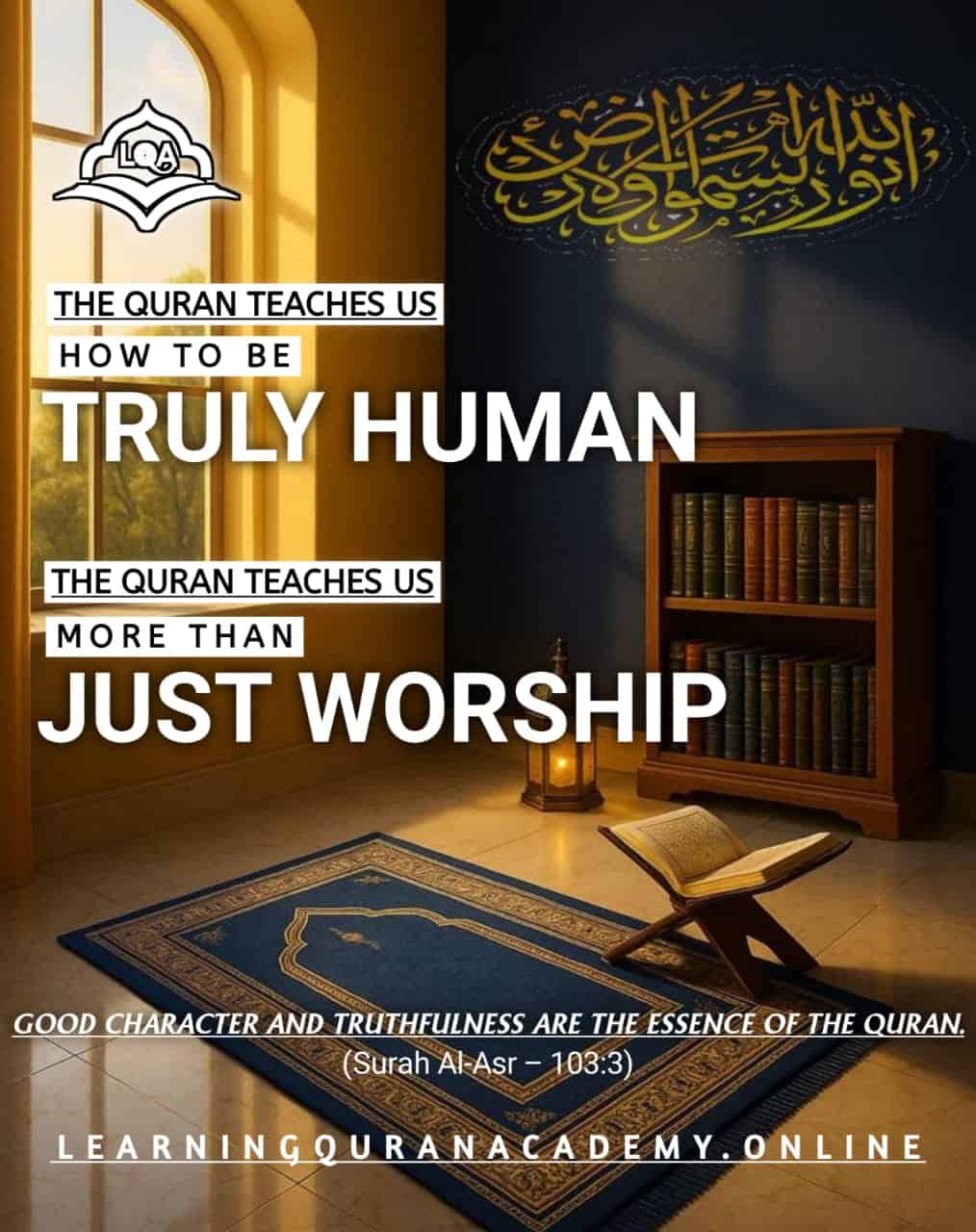
Truthfulness is also a central Islamic principle. Allah says:
“O believers! Be mindful of Allah and be with the truthful.”
Quran, Surah At-Tawbah 9:119
This principle applies far beyond religious gatherings. It can affect how a person communicates at home, behaves at work, deals with customers, keeps promises, and handles disagreements.
A strong Islamic lifestyle therefore combines worship with honesty, mercy, justice, respect, and responsibility.
Practical step: Speak respectfully, keep your promises, avoid unnecessary arguments, and make an effort to maintain family ties.
5. Earn and Spend Wealth in Halal Ways
Islamic principles also apply to employment, business, freelancing, and personal finances.
Whether someone works for a company, runs a business, freelances online, or earns through another profession, they should seek halal income and avoid dishonest or prohibited practices.
This includes avoiding:
- Fraud and deception
- False claims
- Exploitation
- Dishonest transactions
- Breaking agreements
- Unlawful sources of income
Islam also teaches responsibility in spending. Muslims should avoid wastefulness, fulfill financial obligations, support those in need, and use wealth responsibly.
This is particularly relevant today because Muslims encounter questions about halal income, online earning, Islamic banking, investments, loans, and modern financial transactions.
For complicated financial situations, a person should seek guidance from a qualified Islamic scholar rather than relying on a general online article to make an individual Shariah ruling.
Practical step: Review your main sources of income and financial activities and seek qualified guidance when you are uncertain about a specific transaction.
6. Observe Ramadan and Fulfill Zakat
Ramadan is an important opportunity to strengthen one’s relationship with Allah.
Fasting teaches self-control, patience, gratitude, discipline, and awareness of those who experience hardship. Ramadan should therefore involve more than simply avoiding food and drink during daylight hours.
Muslims can use Ramadan to increase:
- Quran reading
- Salah
- Dua
- Dhikr
- Charity
- Good manners
- Self-discipline
Zakat is another important obligation for Muslims who meet the applicable conditions. It should not simply be treated as ordinary voluntary charity because Zakat has specific rules concerning qualifying wealth and eligibility.
The Quran specifically mentions establishing prayer and giving Zakat together in Surah Al-Baqarah 2:110.
Practical step: Prepare for Ramadan by setting realistic worship goals, and learn the applicable Zakat rules for your particular financial circumstances.
7. Remember the Hereafter and Continue Seeking Islamic Knowledge
A Muslim’s understanding of life extends beyond worldly success.
Islam teaches believers to remember accountability before Allah and the life of the Hereafter. This awareness can influence everyday decisions because a person who remembers accountability is more likely to think carefully before lying, cheating, harming others, or engaging in prohibited actions.
At the same time, continuing to seek Islamic knowledge helps Muslims understand their beliefs, obligations, manners, and responsibilities.
Islamic knowledge can include studying:
- Quran
- Tafseer
- Hadith
- Fiqh
- Aqeedah
- Seerah
- Islamic manners
Learning should come from reliable sources and qualified teachers, particularly when dealing with detailed or disputed religious matters.
Practical step: Make Islamic learning part of your routine instead of depending only on short social-media videos or unverified posts.
How Does the Quran Guide Daily Life?
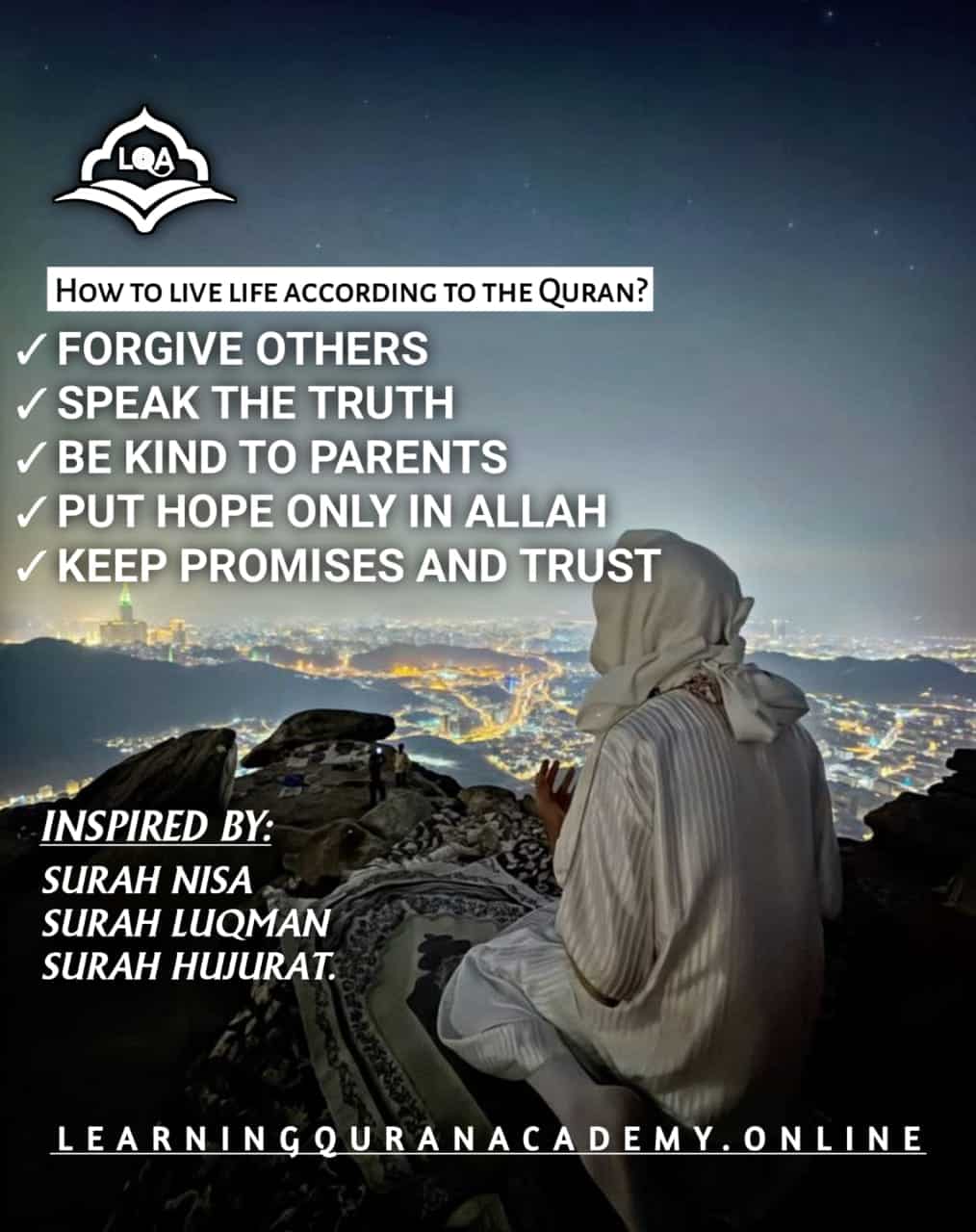
The Quran guides Muslims in matters of faith, worship, morality, relationships, justice, patience, charity, and personal responsibility.
However, living according to the Quran does not simply mean collecting Quranic quotations. Muslims should read, understand, reflect upon, and apply its teachings.
The Sunnah of Prophet Muhammad ﷺ is also essential because his life demonstrates the practical application of Islamic teachings.
This is why structured Quran learning and Tafseer can be beneficial for Muslims who want to understand not only what the Quran says, but also how its guidance relates to everyday life.
What Are the Benefits of Living According to Islam?
Following an Islamic way of life can help a Muslim develop:
- A stronger relationship with Allah
- Greater spiritual awareness
- Better self-discipline
- Stronger family relationships
- Better personal character
- More responsible financial behavior
- Greater patience and gratitude
- A clearer sense of purpose
- Awareness of accountability in the Hereafter
The aim is not to create a life completely free from difficulty. Rather, Islamic guidance gives believers principles through which they can respond to success, hardship, relationships, responsibilities, and challenges.
How Can I Start Living According to Islam Today?
You do not have to change every part of your life overnight.
Start with small, consistent actions:
- Protect the five daily prayers.
- Read Quran every day, even if only a small amount.
- Learn the meaning of what you recite.
- Improve one character trait at a time.
- Treat your family and others with kindness.
- Review your income and financial activities for halal compliance.
- Continue learning Islam from reliable teachers and sources.
Consistency is important. A sustainable routine is generally more beneficial than making unrealistic commitments that are quickly abandoned.
Want to understand the Quran more deeply? Explore structured online Quran and Islamic education with Learning Quran Academy.