Table of Contents
ToggleTable of Contents
Summary First
Learning Aqeedah Course strengthens Muslim faith by providing clarity in beliefs and sincerity in worship. With authentic Islamic guidance and reflection, believers avoid doubts, enhance discipline, and preserve true Aqeedah for lifelong confidence and spiritual strength.
Best Aqeedah Course on Beliefs of Islam Online Classes 2026
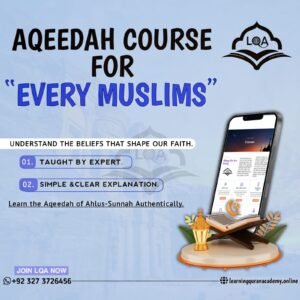
The introduction to Aqeedah course online is designed to help every Muslim understand the foundations of Islamic faith for beginners.
Through an aqeedah basics class for new Muslims, learners explore the pillars of belief, tawḥīd, angels, prophets, and destiny.
This aqeedah learning course simplifies complex concepts, making Islamic faith basics clear and practical for daily life.
By studying Islamic beliefs introduction step by step, students gain stronger conviction, avoid doubts, and connect with authentic Islamic creed.
With structured aqeedah foundation modules, even beginner aqeedah learners develop clarity, confidence, and sincerity in their worship and spiritual journey.
What Is Aqeedah and Why It Is Important for Muslims
Aqeedah in Islam is the foundation of a Muslim’s faith, guiding beliefs and practices with clarity.
The meaning of aqeedah in Qur’an and Hadith defines the Islamic belief system, focusing on tawḥīd, prophethood, and destiny.
Understanding Islamic aqeedah definition helps believers strengthen conviction and avoid doubts.
The importance of aqeedah in Islam lies in shaping worship, protecting iman, and ensuring Muslims live with sincerity, discipline, and true guidance rooted in Islamic theology and Muslim faith basics.

Core Beliefs in Aqeedah
The six pillars of Iman explained in Aqeedah form the foundation of every Muslim’s faith.
These core Islamic beliefs include belief in Allah, angels, divine books, prophets, the Day of Judgment, and Qadar.
Understanding Aqeedah’s six beliefs in Islam strengthens iman pillars and connects hearts to Allah’s guidance.
An Islamic Aqeedah course on Iman highlights belief in the unseen, ensuring Muslims build clarity, sincerity, and discipline in their worship while embracing the true Aqeedah essentials of Islam’s faith system.
01- Tawḥīd: Oneness of Allah
The essence of Aqeedah begins with tawḥīd in Islam explained as the absolute oneness of Allah. This principle, taught in every Aqeedah tawheed lesson, emphasizes that Allah alone deserves worship without partners.
Learning the meaning of tawheed builds firm Islamic monotheism and strengthens faith.
Courses on the oneness of Allah online help Muslims understand divine unity and live by it in everyday life, ensuring devotion remains pure and sincere.
02- Belief in Angels and Divine Books
In Aqeedah, belief in angels in Islam is a core element of faith. Muslims affirm that angels are created by Allah for divine duties, unseen yet vital.
Alongside this, Islamic Aqeedah divine books explained guides believers in respecting all revelations sent to prophets.
A course on angels and books in Islam highlights both angelic belief and Islamic scriptures, reminding Muslims of divine revelation as part of their faith foundation.
Recognizing the role of angels and books strengthens trust in Allah’s commands.
03- Belief in Prophets & Day of Judgment
A strong Aqeedah requires belief in prophets, who conveyed Allah’s message with truth.
The belief in prophets Aqeedah stresses obedience to their teachings as part of the Islamic belief system. Equally, the Day of Judgment in Islam explained connects Muslims to accountability, resurrection, and eternal life.
An Aqeedah course on Islamic prophets and akhirah guides learners to reflect on life after death, maintaining consciousness of deeds and their results.
This belief instills humility, righteousness, and preparation for the hereafter.
04- Qadar (Divine Decree & Destiny)
The final pillar of Aqeedah is belief in Qadar, acknowledging Allah’s knowledge and power over destiny.
Through belief in Qadar Aqeedah, Muslims accept that everything occurs by divine will. Courses on Islamic destiny explained teach that while humans have free choice, outcomes are under Allah’s decree.
Understanding predestination in Islam nurtures patience during trials and gratitude in blessings.
By embracing Qadar importance and destiny belief Islam, Muslims strengthen reliance on Allah and find peace in His divine decree.
Levels of Aqeedah Course: Beginner to Advanced
The beginner Aqeedah course online introduces students to essential Islamic beliefs, covering Allah’s oneness, angels, and pillars of faith.
As learners progress, intermediate modules explore deeper Islamic theology, while advanced Aqeedah Tahawiyyah classes focus on classical texts.
This structured Islamic theology course for students ensures gradual growth, building clarity from beginner beliefs to advanced theology.
With Aqeedah learning levels designed for all, the course helps strengthen Muslim faith basics and develop a firm understanding of Islam’s spiritual foundation.
Table of Contents
Teaching Methods & Course Curriculum
The Aqeedah course syllabus provides structured Islamic modules that combine theory with practice.
Through guided aqeedah lessons, interactive discussions, and reflective activities, students engage in authentic Islamic belief studies.
This structured aqeedah course explains step-by-step what the aqeedah curriculum covers, ensuring learners develop strong theological training.
With clarity and discipline, participants strengthen their understanding of faith while connecting deeply with Islam’s true foundations
Practical Benefits of Learning Aqeedah
The benefits of learning Aqeedah online extend far beyond academics, offering clarity in faith and spiritual strength.
Understanding the importance of Aqeedah in daily life helps Muslims avoid doubts, gain discipline, and strengthen their worship.
By learning how Aqeedah strengthens Muslim faith, believers develop resilience against misconceptions.
These Aqeedah benefits act as a lifelong faith guidance in Islam, ensuring sincerity, confidence, and a stronger bond with Allah in every aspect of life.
Common Misconceptions in Beliefs (and Their Solutions)
Many Muslims face common mistakes in Aqeedah beliefs due to limited knowledge or cultural practices.
These Aqeedah misconceptions and solutions highlight how to correct misunderstandings with authentic Qur’an and Sunnah guidance.
By addressing wrong Aqeedah issues and removing Aqeedah doubts, learners gain clarity in faith.
Practical Aqeedah solutions ensure stronger belief foundations, while Islamic belief corrections protect Muslims from confusion and misguidance, ultimately building confidence, sincerity, and a purified connection with Allah.
Who Should Enroll in the Aqeedah Course?
The Aqeedah course for beginners and kids is ideal for anyone seeking clarity in faith.
From new Muslims to advanced Islamic students, this program welcomes sincere aqeedah learners.
Designed for course participants of all ages, it provides structured knowledge for Islamic learners and faith seekers.
Whether you want to strengthen belief or correct misconceptions, joining Aqeedah classes builds confidence, deepens understanding, and strengthens spiritual foundations through authentic Islamic guidance.
conclusion
The conclusion on importance of Aqeedah highlights how strengthening faith with Islamic Aqeedah brings clarity, sincerity, and discipline.
Through aqeedah reflection and Islamic guidance, believers improve worship, avoid doubts, and preserve authentic Islamic belief reflection for lifelong spiritual strength and confidence.