Table of Contents
ToggleSummary First
This article on Children’s rights in Quran discusses Islamic teachings about child protection, education, love, equality,
and moral upbringing, highlighting parents’ and society’s shared duty to ensure every child’s dignity, safety, and spiritual development.
Table of Contents
Unlocking Children’s Rights in Quran Teachings for Today
Having spent years studying Quranic parenting and Islamic family values, I’ve learned that the Quran beautifully unfolds a timeless framework for raising children with love, justice, and faith.
As someone deeply engaged in Islamic education, I often see how these divine principles remain relevant for modern parents seeking balance between spirituality and daily life.
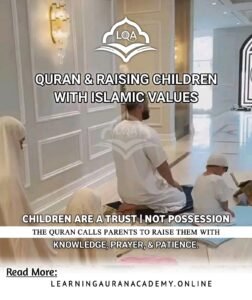
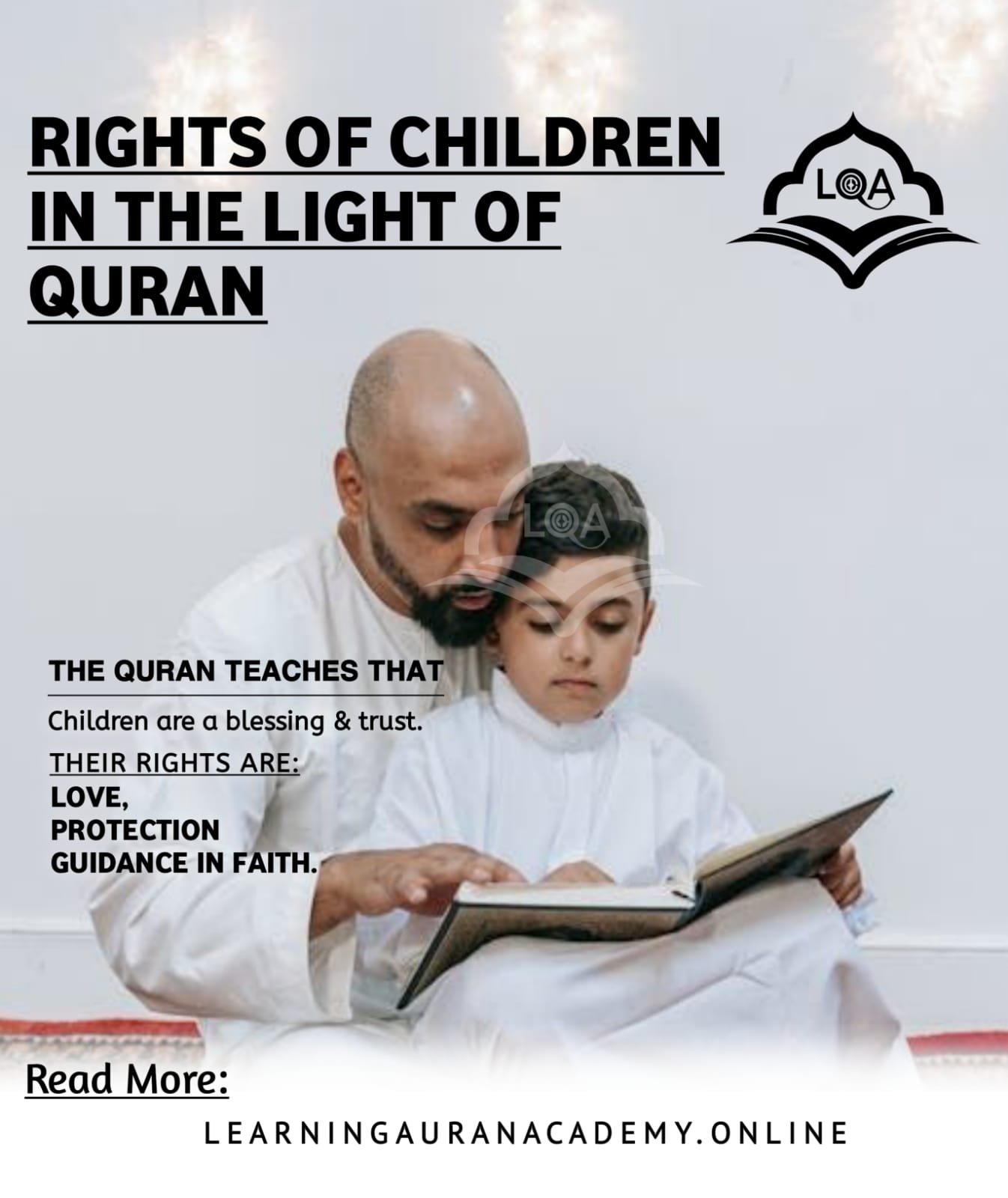
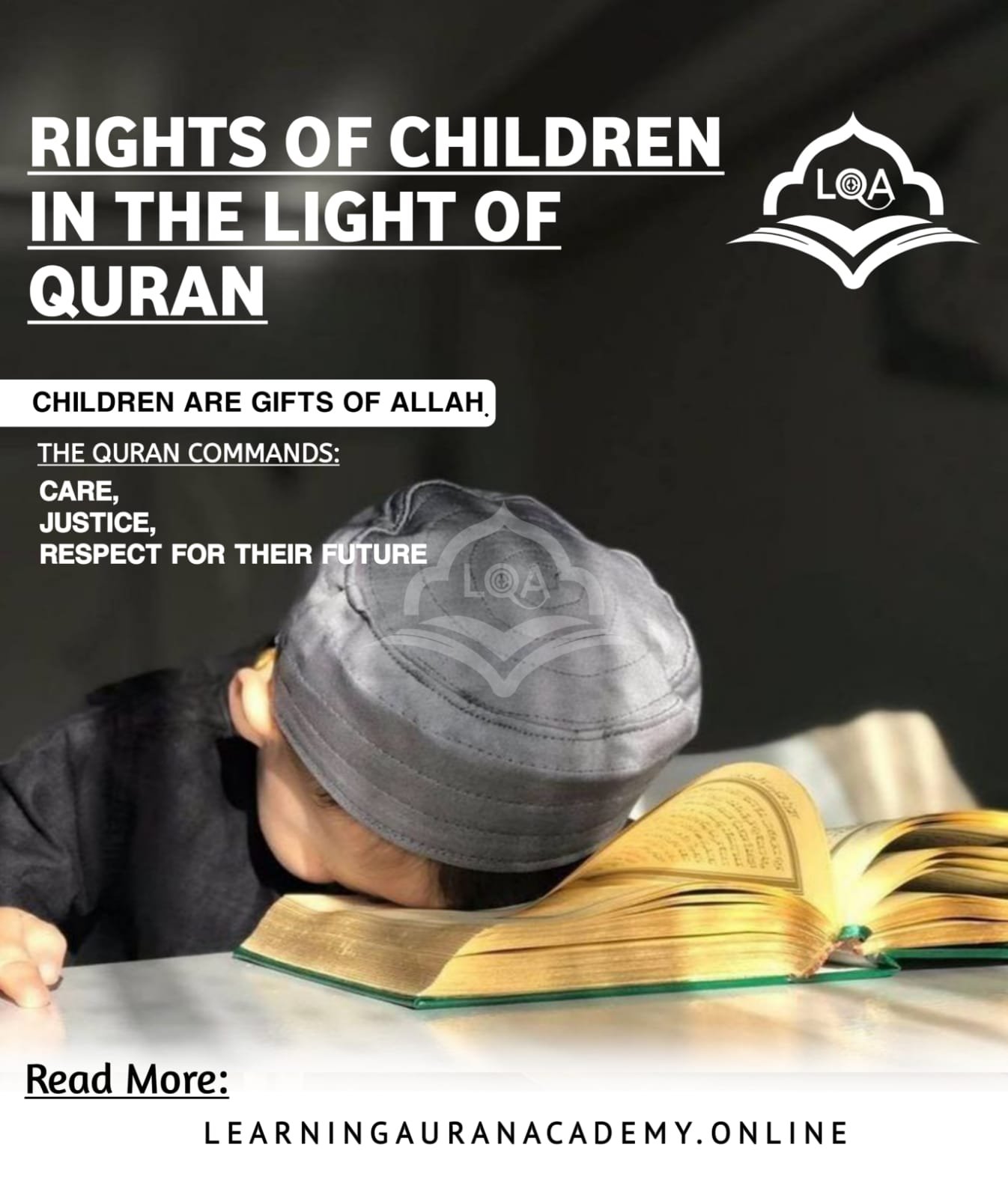
The Quran presents children as a divine gift and a trust from Allah, reminding every parent that nurturing a child is both a blessing and a sacred responsibility.
This trust goes beyond providing food and shelter—it includes shaping their emotional, intellectual, and spiritual well-being. The Quran teaches that
“Wealth and children are the adornment of the worldly life…” (Surah Al-Kahf 18:46).
This verse signifies that children are not mere possessions but adornments whose purity must be preserved through faith and guidance.
Protecting their hearts from emotional harm, offering them moral direction, and guiding them toward a purposeful life are essential duties emphasized throughout Islamic teachings.
The tafsir of this ayah explains that while children bring joy, they also test one’s sincerity in fulfilling Allah’s trust.
A parent’s success lies in balancing affection with responsibility, ensuring that every decision reflects compassion and divine accountability
a true embodiment of Quranic parenting and faith-based upbringing in today’s world.
Powerful Quranic Verses Emphasising the Value of Every Child
When I was a child, my father often shared a lesson that stayed with me forever. He would say, “Every child, no matter their gender, carries divine blessing and dignity.”
I remember one day he helped a neighbour family raise a daughter with love and care, emphasizing her emotional value.
This experience taught me how Islam recognises every child’s equal worth and spiritual recognition.
The Quranic verses about the value of children in Islam are clear: Allah says,
“Do not kill your children out of poverty; We will provide for you and them” (Surah Al-An’am 6:151).
This shows that every child is a precious gift and should never be devalued. Islam actively rejects harmful cultural practices that diminish a child’s dignity, especially daughters.
The Prophet ﷺ further emphasised this in Hadith:
“Whoever has three daughters and treats them kindly will enter Paradise” (Tirmidhi 1916).
Scholars explain that this kindness includes nurturing, education, and respect, reflecting the spiritual recognition Islam gives to children.
Understanding these holy scripture lessons reminds us that protecting and valuing children is both a moral and divine responsibility.
Protecting Life Before Birth: A Quranic Perspective on Child Rights
I still remember my neighbour’s mother sharing her pregnancy journey with me.
She spoke about how she prepared spiritually and emotionally for her unborn child, feeling the divine protection and mercy in creation guiding her every step.
Observing her care reminded me of the Islamic view on life before birth, emphasizing that each unborn child is a precious gift with inherent rights.
The Quranic perspective on unborn child protection is clear: Allah commands,
“Do not kill your children for fear of poverty; We provide for them and for you” (Surah Al-Isra 17:31).
This ayah teaches the sanctity of life and shows that parents must embrace their moral duty to protect prenatal life.
Islam strongly forbids abortion and infanticide, highlighting the prenatal rights of every child and the mercy embedded in creation.
Parents are also guided to prepare emotionally and spiritually, ensuring the child is welcomed with love and care.
Scholars explain that this preparation nurtures not only physical health but also spiritual well-being, reflecting the comprehensive Islamic family care system.
Respecting unborn children fosters a society rooted in compassion, dignity, and divine guidance.
Nurture, Love & Compassion After Birth: Islam’s Guide for Children
I vividly recall an old father in our neighborhood who would cradle his newborn grandson with unmatched warmth.
He shared how he learned that nurturing love and gentle care shape a child’s confidence and faith.
Observing his affection in Islam firsthand showed me the true essence of Islamic parenting guide for newborn care
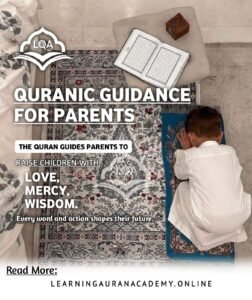
Islam emphasises mercy and kindness in raising children, encouraging parents to create a safe emotional environment where love, compassion, and guidance thrive.
The Prophet ﷺ demonstrated this beautifully: he kissed his grandson Hasan and said,
“He who does not show mercy will not be shown mercy” (Bukhari 5997).
Scholars explain that this Hadith highlights the essential role of emotional bonding and nurturing in a child’s spiritual and psychological growth.
The Quranic guidance for nurturing children reminds parents to cultivate gentle parenting and faith-based care, instilling values of honesty, patience, and respect.
Through consistent love, empathy, and attention, children grow confident, compassionate, and grounded in their faith.
Embracing these principles ensures every child experiences the mercy and warmth Islam promises.
Good Name & Identity: Children’s Rights as Guided by the Quran
I remember reading about Shirin Ebadi, the Nobel laureate, and how she often emphasized the importance of a child’s identity and dignity.
Her experiences highlighted that a proper name not only preserves moral identity but also connects children to their spiritual heritage and family lineage.
This inspired me to reflect on how Quranic teaching about child identity and lineage guides us in Islam.
In Islam, giving a good name is a protected right that reflects a child’s self-worth and dignity. Allah says,
“Call them by (the names of) their fathers; that is more just in the sight of Allah” (Surah Al-Ahzab 33:5),
ensuring lineage and identity are preserved. Scholars explain that this ayah emphasizes identity protection and naming ethics, safeguarding children’s rightful place in society and family.
A child’s name and identity are not just labels; they carry the responsibility of nurturing faith, morality, and justice.
By following Islamic rules on naming children, parents ensure that their children grow with a strong sense of belonging,
self-respect, and a clear connection to their family lineage and spiritual roots.
Islamic Upbringing & Education: Ensuring Children’s Rights in Quran
I recall reading about Randa Abdel-Fattah, who often shared how her parents’ commitment to Islamic education for children shaped her character and sense of responsibility.
Her experiences highlighted the importance of Tarbiyyah — the balanced nurturing of both moral and spiritual development.
Observing her story reminded me that Islam places great emphasis on learning with faith and lifelong learning for children.
The Quranic approach to Islamic education for children ensures that parents are responsible for both religious and worldly knowledge.
True Tarbiyyah nurtures faith, discipline, and good character, preparing children to be morally upright and spiritually aware.
Allah commands us to seek knowledge and cultivate understanding, which safeguards the child’s right to learn and grow.
The Prophet ﷺ also emphasized parental responsibility
“Each of you is a shepherd, and each of you will be asked about his flock” (Bukhari 893).
Scholars explain that this Hadith highlights the importance of moral education and accountability in upbringing.
By combining Islamic knowledge with everyday guidance, parents ensure children develop a strong foundation of values, character, and faith.
Fair Treatment and Equality Among Siblings: Quranic Child Rights
Elham Manea, in her book, shares a personal story about how her parents carefully ensured equal treatment of children in Islam.
She recalls moments where her siblings received the same attention, gifts, and affection, which fostered emotional balance and sibling harmony.
Her experience highlights how justice and fairness in parenting are essential for nurturing confident, secure children.
Islam commands that parents must practice fair parenting in Islamic families. No favoritism is allowed in love, gifts, or attention,
as this ensures every child feels valued and respected. The Quranic guidance for justice among siblings emphasizes this principle: Allah says,
“Indeed, Allah loves those who act justly” (Surah Al-Mumtahanah 60:8).
Scholars explain that this ayah underscores the importance of ethical treatment, teaching parents to maintain family justice and equality.
Equal treatment strengthens family unity, builds trust, and fosters moral and emotional growth in children.
By practicing fairness and impartiality, parents uphold the rights of each child, ensuring a nurturing environment where values, faith, and love flourish according to Quranic principles.
Safety, Shelter & Provision: Core Children’s Rights in Islam
Azizah Y. al-Hibri, a renowned legal scholar, shares a personal account of a family she once assisted.
The parents struggled to provide consistent food and shelter for their children, and she explained how Islamic responsibilities for child protection require ensuring their safety assurance and well-being.
Witnessing their efforts and challenges highlighted the crucial role of parents in creating nurturing environments.
In Islam, a child’s right to safety and shelter in Islam is non-negotiable.
Parents must provide food, shelter, and emotional security, fulfilling their parental responsibility to protect and nurture their children.
Allah emphasizes family care and provision as a moral duty. The Prophet ﷺ further warned:
“It is sufficient sin for a person to neglect those he is responsible for” (Abu Dawood 1692).
Scholars explain that this Hadith stresses that neglecting a child’s basic needs, including safety and emotional security, is a serious moral failing.
By following Quranic guidance on family provision and care, parents ensure children grow in a safe, stable environment,
fostering confidence, faith, and holistic well-being. Upholding these rights creates a foundation of love, trust, and protection that every child deserves in Islam.
Parents’ and Society’s Role in Ensuring Children’s Rights Today
From my own experience, I once volunteered at a local community center where I observed how children’s welfare depends not only on parents but also on the collective care of society.
Witnessing families supported by neighbors and community leaders emphasized the Islamic role of parents and society in child welfare and the importance of parental duty and collective care.
In Islam, the responsibility toward children is both personal and communal.
Parents must ensure love, guidance, and protection, while society must safeguard children from abuse, exploitation, and injustice.
The Quranic responsibility towards children’s rights is reinforced by Allah’s command:
“And cooperate in righteousness and piety…” (Surah Al-Ma’idah 5:2).
Scholars explain that this ayah highlights community welfare and moral responsibility, urging Muslims to work together to maintain social harmony and the integrity of the family system.
By creating supportive structures and nurturing environments, Islamic communities ensure that children grow with faith, dignity, and emotional security.
Following Quranic Parenting Tips for Raising children helps parents nurture moral strength, kindness, and faith.
Upholding these principles protects every child’s rights and strengthens the moral and spiritual fabric of society.
These teachings beautifully connect the Quran and daily life, guiding families to live by compassion, justice, and faith as shown in the Quran and Sunnah.
conclusion
The Quranic teachings about children’s rights in Islam remind us that every child deserves love, protection, knowledge, and justice.
From faith-based upbringing to Islamic moral values, the Quran provides timeless guidance for parents and society to nurture strong, compassionate, and responsible generations.
Understanding the Quranic approach to Islamic education for children helps build a foundation of mercy, equality, and faith within families and communities.
If you wish to explore these principles deeply and apply them in your parenting journey, join Learning Quran Academy,
where you’ll gain practical knowledge on modern parenting lessons from the Quran and true spiritual parenting based on divine wisdom and guidance.