Table of Contents
ToggleSummary First
The article duties of wife according to Quran explains a wife’s role in maintaining family unity, practicing justice, showing respect, and nurturing faith.
It highlights her spiritual, emotional, and moral responsibilities that build a peaceful, righteous, and balanced Islamic family life.
Table of Contents
Understanding Mutual Respect Between Husband and Wife in Islam
My brother and his wife once went through a phase where misunderstandings overshadowed their love.
Small arguments turned into long silences until one day, my brother decided to change his approach.
Instead of reacting, he started listening with empathy. My sister-in-law, in return, began expressing appreciation for his efforts.
Slowly, peace returned to their home. Their story perfectly reflects the mutual respect between husband and wife in Islam, which is the foundation of a harmonious and lasting marriage.
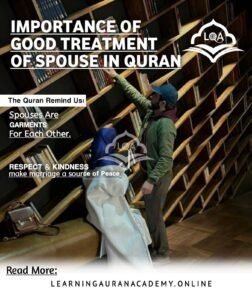
In Islam, mutual understanding and respect form the core of the husband-wife relationship. The Quran beautifully says:
“And among His signs is that He created for you from yourselves mates that you may find tranquility in them; and He placed between you affection and mercy.” (Surah Ar-Rum, 30:21)
This verse reminds believers that marriage is built on affection (mawaddah) and mercy (rahmah), not dominance or pride.
The role of respect in marriage Islam teaches equality, compassion, and balance in every decision.
When both spouses value each other’s opinions and treat one another with dignity, conflicts dissolve, and love deepens.
Following the Islamic marriage respect teachings ensures emotional stability and spiritual peace — creating homes filled with affection, patience, and divine blessing.
How a Wife’s Role Strengthens Family Unity in Islamic Teachings
Mufti Waseem Khan once shared a story about a woman who transformed her home through patience and compassion.
Her husband faced constant stress from work, and their children often quarreled. Instead of responding with frustration, she created calmness with love and dua.
Over time, peace filled the house. Mufti Waseem explained that her strength came from understanding her wife’s role in strengthening family unity in Islam—building harmony through faith, respect, and emotional care.
Islam teaches that a wife is a central pillar of the family structure. Her spiritual role as a wife includes nurturing love, teaching patience, and guiding her children with kindness. The Prophet Muhammad ﷺ said:
“The most complete of the believers in faith is the one who is the best in character, and the best of you are those who are the best to their wives.” (Tirmidhi)
This Hadith reflects how her character and compassion preserve the home’s peace. The wife’s contribution to family unity goes beyond housework—it lies in emotional support and moral balance. When she fulfills her duty to family in Islam with sincerity, she strengthens bonds of love, ensuring lasting family unity rooted in mercy and Islamic values.
Quranic Guidance for a Wife’s Role During Marital Challenges
In every marriage, difficulties are inevitable, but the Quranic guidance for wife during marital challenges teaches that faith, patience, and forgiveness are the keys to overcoming them.
Islam honors the emotional strength of a woman and her ability to hold the family together even in testing times.
Her spiritual guidance as a wife lies in responding with calmness, understanding, and reliance on Allah’s mercy.
The Quran reminds believers:
“O you who have believed, protect yourselves and your families from a Fire whose fuel is people and stones.” (Surah At-Tahrim, 66:6)
This verse emphasizes the shared duty of both husband and wife to protect their home spiritually and emotionally.
When faced with marriage challenges, a wife’s patience becomes her shield. Through compassion and forgiveness, she can heal emotional wounds and restore peace.
The wife’s role in overcoming difficulties also involves guiding her partner gently toward understanding and mutual respect.
Following Quranic advice for marital challenges ensures that love, faith, and forgiveness prevail — turning trials into opportunities for spiritual growth and deeper connection between spouses.
The Quranic Concept of Justice in Marriage: A Wife’s Duties
Mufti Ebrahim Salejee once narrated the story of a woman seeking advice about her responsibilities toward her husband’s family.
Instead of focusing only on cultural expectations, he reminded her that Islam teaches balance and fairness.
By understanding her rights and duties through the Quranic concept of justice in marriage, she learned to maintain peace with kindness while protecting her dignity.
This wisdom reflects the true wife’s duties in marriage according to Quranic justice — founded on respect, equality, and compassion.
The Prophet Muhammad ﷺ said:
“Fear Allah in your treatment of women, for they are your partners and helpers.” (Bukhari)
This Hadith emphasizes that justice in marriage requires mutual respect and care. The Quranic rights of wives ensure fairness in emotional, financial, and spiritual matters.
Similarly, the wife’s role in Islamic justice includes fulfilling her obligations with sincerity, patience, and cooperation.
When both spouses act with fairness, affection, and understanding, they reflect the true Islamic concept of justice—where marriage thrives on balance, mercy, and equality under Allah’s guidance.
Building a Righteous Family: Wife’s Spiritual Duties in the Quran
Dr. Dalia Al-Sadiq, in her lecture “Rights and Duties of Muslim Women,” once shared the story of a mother who quietly shaped her children’s faith through prayer and example.
She didn’t preach — she lived Islam daily. Her calm strength, devotion, and patience became a light for her home.
Dr. Dalia explained that this is how Islam defines the wife’s spiritual duties in building a righteous family — through silent influence, prayer, and nurturing belief.
The Quranic view of a wife’s duties emphasizes her spiritual leadership within the home. Allah commands:
“O you who have believed, protect yourselves and your families from a Fire whose fuel is people and stones.” (Surah At-Tahrim, 66:6)
This verse reminds every wife of her sacred role in guiding her family toward faith.
Her religious obligations include encouraging prayer, charity, and kindness while supporting her husband in fulfilling Islamic duties.
The spiritual duties of a wife in Islam ensure that love, worship, and faith remain alive in the home
creating a righteous family built on devotion, balance, and the light of the Quran, in harmony with the Husband’s Duties in the Quran, fostering unity and peace.
Understanding the Rights of a Wife in Islam: Equality and Respect
Mufti Taqi Usmani once shared a touching story in a discussion on wife’s rights in Islam: equality and respect.
A husband came to him, proud of providing financially for his wife but unaware of his emotional neglect. Mufti Taqi reminded him that Islam doesn’t just demand provision
it commands love, fairness, and dignity. When the man began treating his wife with kindness and listening to her, peace returned to their home.
This story reflects how Islam defines true equality — not in identical roles, but in shared respect and mercy.
The Quran beautifully declares:
“And women have rights similar to those of men over them in kindness.” (Surah Al-Baqarah, 2:228)
This verse highlights the balance of mutual respect in marriage. The rights of wife in Quran include emotional care, justice, and protection from harm.
The Islamic rights for women ensure that both spouses honor one another’s dignity and individuality.
True Islamic equality means partnership — where affection and fairness sustain the bond.
Through respect for wife in Islam, families flourish in harmony, compassion, and divine blessing.
Learning from the Prophetic Example: Wife Duties in Islamic History
Dr. Farhat Hashmi, in her lecture on “Rights & Duties of the Wife and the Husband,” once shared a story about a young woman struggling to balance her household responsibilities.
Feeling overwhelmed, she turned to the teachings of the Prophet Muhammad ﷺ for guidance.
Dr. Farhat explained how the Prophetic example of wife duties in Islam inspires balance
blending devotion to family with spiritual growth. When the woman began following this model, her heart found peace and her marriage harmony.
The Prophet Muhammad ﷺ showed the perfect example of mutual love and fairness. As Aisha (RA) narrated:
“The Prophet used to love his wives and treat them with kindness, and his love and affection for them were beyond measure.”
The Prophet’s treatment of wives teaches that respect, empathy, and cooperation define a strong marriage.
His wives, including Khadijah (RA) and Aisha (RA), exemplified wife duties in Islam by supporting his mission with patience and faith.
Their role in Islamic history highlights that a wife’s strength lies in compassion and piety
Following the Prophet’s guidance for marriage creates homes filled with mercy, equality, and spiritual light.

Transform Your Marriage with Quranic Wisdom: Join Our Course
Strengthen your relationship with the Online Course in Learning Quran Academy, designed to help couples apply Quranic wisdom to transform your marriage.
This course teaches how to build marital harmony through love, patience, and understanding based on the Quran and Sunnah.
Discover Quranic advice for marriage and learn practical ways to fulfill your rights and responsibilities as a spouse.
With expert guidance, you’ll explore how to improve your relationship through Islam and nurture lasting peace at home.
Enroll today to begin your journey toward a happier, faith-centered marriage guided by Quranic teachings and timeless Islamic principles.
conclusion
The duties of wife according to Quran highlight love, respect,and spiritual devotion as the foundation of a peaceful home.
Islam values her role in nurturing faith, maintaining family unity, and practicing justice in marriage
reflecting the guidance of the Quran and daily life, where faith and family values work hand in hand.
Through compassion, patience, and understanding, she strengthens the Islamic family bond and reflects Quranic guidance in every act.
By following these divine principles, a wife becomes the heart of a righteous family, bringing harmony, faith, and lasting marital happiness.