Table of Contents
Togglewhat does the quran say about parents – powerful guide now
The Quran, through profound Quranic verses, answers the question “what does the quran say about parents” with a depth I’ve personally reflected on while studying Islamic teachings across UK, US, Canada, and the UAE,
where non-Arabic speaking Muslims often ask for English explanations alongside Arabic sources and authentic Hadiths; at its heart,
this Islamic guidance centers on honoring one’s mother and father, grounding kindness and duties within families as a living message of mercy, creating beautiful connections that feel both spiritual and human.
SubhanAllah, even the Arabic language reveals this depth, as the name of Allah, Ar-Raḥmān, the Entirely Merciful, comes from the root, ra-ḥa-ma, ر-ح-م, the same root as womb, ar-raḥim, الرَّحِم, reminding us how divine mercy mirrors the first mercy we experience in this world through mothers,
a wonder that left me in awe during my own physical journey of learning how language is linguistically tied to belief;
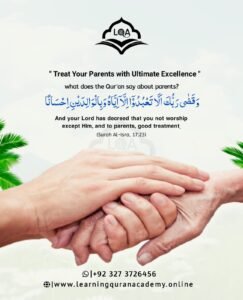
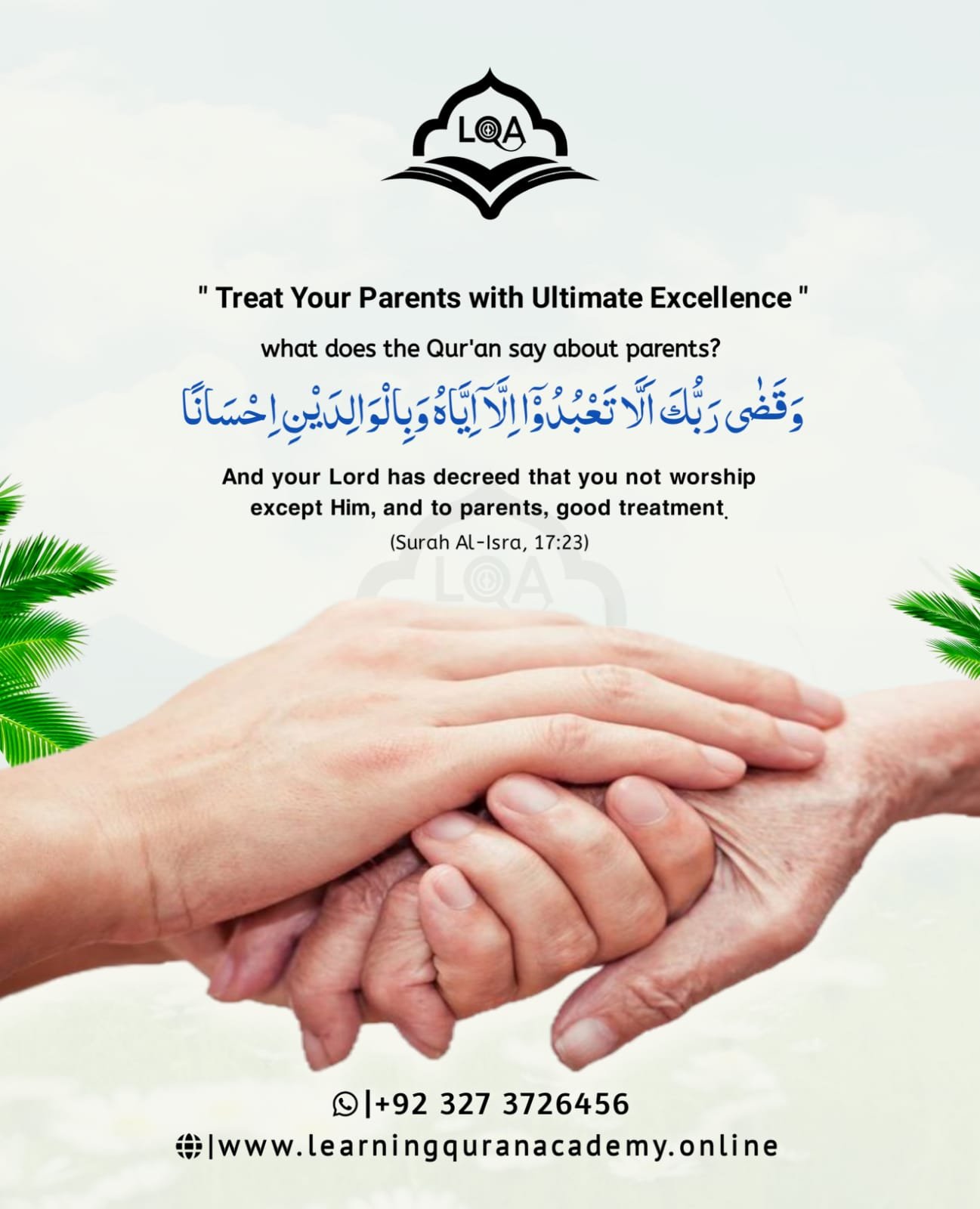
Allah Almighty places in the Quran a clear command to worship Him alone and immediately honor parents, not as a casual suggestion but as a divine decree of the highest order, shaping how Islam frames compassion as lived action rather than theory.
Quranic Verses on How to Treat Your Parents – What Does the Quran Say About Parents
Through Quranic concepts that feel deeply transformative, the verse in Surah Al-Isra (17:24) captures the emotional core of how parents are to be treated, especially when they become helpless, using vivid imagery of the wing of humility, janah al-dhull, جَنَاحَ الذُّلِّ, urging believers to lower themselves with humility,
much like a mother bird gently shielding her chicks, an image that always reminds me of childhood moments of love and sacrifice I witnessed growing up; Allah, the Lord, issues a decree rooted in compassion, reverence, gratitude, and ongoing care, guiding us toward practical action through supplication, dua, and prayer, saying
(“My Lord, have mercy upon them as they brought me up when I was small” — Surah Al-Isra [17:24])
where My Lord, have mercy, brought me up, raised me, and small reflect rahmah, a form of mercy so rich that its understanding depends on layers of meaning revealed through translation and lived reflection;
studying this verse while teaching an Online Quran Tafseer Course clarified for me how this overwhelming love is not passive but demands conscious humility toward one’s parents,
echoing how Allah ties obedience to Him with ethical responsibility grounded in human experience.
A Quranic Verse Highlighting the Hidden Sacrifices of Mothers
The mother occupies a unique place in the Quran, one that no debt can ever truly repay, and this reality becomes clearer when Allah, in His infinite wisdom, enjoined upon man the duty toward parents,
especially emphasizing maternal care, as she carried her child in weakness upon weakness, wahnan ‘alā wahn, through pregnancy and childbirth, a prolonged trial of continuous weakness that paradoxically reveals a mother’s strength, as child’s growth depends on her comfort sacrificed, constant nourishment, and unseen sacrifice,
followed by weaning over two years, all of which calls for gratitude, to be thankful, to be grateful, because the final destination is to Me,
says the Lord in Surah Luqman (31:14), a verse I often reflect on when discussing human upbringing and parenthood,
as it reframes maternal compassion and mercy not as instinct alone but as a heavy burden borne with quiet endurance, love, devotion, and lifelong responsibility,
something that years of studying and teaching this ayah have shown me is often understood intellectually but only truly felt when one witnesses motherhood up close.
Another Quranic Command for Honoring Parents
This duty toward parents is framed in the Quran not just as manners but as act of worship, where kind words and soft wings of humility become expressions of love woven into daily conversations with Allah;
it is enjoined upon man to show good treatment, ihsanan, إِحْسَانًا, especially to the mother who carried her child through hardship, kurhan, كُرْهًا, gave birth, endured gestation,
and managed weaning over thirty months, a physical toll of motherhood described with raw description that I’ve felt deeply while memorizing this ayah during a Quran Memorization Hifz program, as it connects growth to accountability at maturity, forty years, the age of forty, marking spiritual maturity and mental maturity, where the believer turns to dua and prayer saying
(“My Lord, enable me to be grateful for Your favor which You have bestowed upon me and upon my parents, and to work righteousness which You approve for me, and make righteous for me my offspring; indeed, I repent to You, and indeed, I am among the Muslims” — Surah Al-Ahqaf [46:15]),
asking My Lord to enable me to stay grateful for every favor, blessings, and blessings continuation bestowed by Allah, to work righteousness, be a righteous person, and raise offspring in peace, a reminder that true gratitude circles back to honoring parents as faith matures.
A Quranic Verse on Kindness to Parents and Devotion to Allah
When discussing parents within the Quran, I often return to how its perfect wisdom establishes a delicate balance: believers must strive to uphold the Oneness of Allah, Tawhid, without compromise,
even if parents attempt to associate partners with Him, shirk, with no knowledge, where the instruction is clear—do not obey in disobedience or sin that displeases Allah, yet never abandon them;
instead, accompany them in this world with appropriate kindness, ma’rūfā, showing honor, goodness, and refusing to be harsh, a commandment that deepened my understanding of Islam as lived ethics rather than slogans,
because Allah commands immediate loyalty to the Creator over creation, while still mandating care, to speak gently, fulfill needs,
and uphold justice and mercy in worldly matters, as captured in
(“But if they strive to make you associate with Me that of which you have no knowledge, then do not obey them but accompany them in the world with kindness” — Surah Luqman [31:15]),
a measure of faith where true obedience to Allah never cancels compassion but refines it through restraint and responsibility.
A Quranic Verse Emphasizing Love for Parents Within the Community
In the Quran, Allah places a clear command that doing good to parents sits at the center of our social obligations, shaping a healthy society and a healthy home, beginning with worship Allah and associate nothing,
affirming Tawhid so that care for parents flows naturally into how we do good to relatives, family, orphans, the needy, the near neighbor, far neighbor, companion, and traveler, as taught in Surah An-Nisa, 4:36
(“Worship Allah and associate nothing with Him, and to parents do good…”)
where iḥsān, إِحسَان, becomes a lived ethic of justice, compassion, charity, and shared community life;
teaching this verse for years has shown me how social responsibility grows from everyday kindness, generosity, neighborly rights, support, and care, turning moral duty in Islam into a practical balance between society and home,
because Allah’s command to worship Him rejects shirk—to associate nothing—while grounding faith in mercy that begins with parents and radiates outward.
The Quran Teaches Us That Honoring Our Parents Is a Duty
The Quran shows that honoring parents is not optional but a defining characteristic praised by Allah in His chosen prophets, highlighting the qualities of the best of humanity,
where being good to parents reflects a prophetic character trait rooted in humility, mercy, and obedience; Allah mentions Prophet Yahya, John, as dutiful to his parents, not tyrant, nor disobedient (Surah Maryam, 19:14),
and later describes Prophet Isa, Jesus, as dutiful to mother, not tyrant, nor wretched (Surah Maryam, 19:32),
teaching through lived example that this dutifulness—captured in the Arabic word, Barran, بَرًّا—goes beyond surface kindness into deep goodness, a profound, vast level of moral excellence;
studying these verses closely reshaped my own understanding of honoring parents as a path to righteousness, a sign of devotion found consistently among the beloved messengers,
where obedience and righteousness become a means of drawing closer to Allah, building spiritual closeness through everyday acts grounded in reverence and care, a reminder that this prophetic quality is not distant history but a living standard set by Allah Himself.
The Command to Honor Parents Across All Nations
The Quran emphasizes that the importance of honoring parents is a divine command that transcends time and culture, commanded not only to the Ummah of Prophet Muhammad but also to previous nations, as seen in the Children of Israel, mīthāq, banī isrā’īla, who were instructed (Surah Al-Baqarah, 2:83 —
“Do not worship except Allah and be good to parents”),
a resounding yes to good treatment, ihsān, إِحْسَانًا, and honor parents as part of beautiful conduct reaching the highest level of moral law; this solemn promise, a covenant, shows continuity between the previous law and Islamic teachings, where enjoining worship Allah and obedience coexists with familial righteousness, creating a tradition rooted in mercy, righteousness, and the reinforcement of ethical living that connects the Ummah across generations, reminding me how Prophet Muhammad emphasized that honoring parents is not merely ritual but a living embodiment of Islam’s holistic guidance.
Quranic Verses on the Duties and Responsibilities of Parents
The Quran frames being a parent as one of the heaviest responsibilities a person can bear, a sacred duty and noble responsibility that Allah has chosen to bestow with profound mercy and compassion,
emphasizing that parenting is not merely biological but a structured guidance for family, where children’s rights are intertwined with parental duties, making guardianship, care, upbringing, nurturing, protection, love, discipline, and education part of a divine trust;
the responsibility is heavy, yet sacred, because Islamic teachings hold parents to moral responsibility, accountability, and continuous ethical reflection,
reminding me through years of study how the Quran positions family as both a school of obedience to Allah and a microcosm where mercy, guidance, and love shape human character from the earliest stages of life.
A Parent’s Primary Duty Is to Protect Their Family from Hellfire
In the Quran, parents are reminded that beyond worldly success, schools, or careers, the single most important duty of a loving parent is to protect not only yourselves but also your children and families from the Fire, the eternal danger of the Hereafter, as stated in Surah At-Tahrim, 66:6 (“qū anfusakum wa ahlīkum nārā” —
Protect yourselves and your families from the Fire”); this command transforms parental love into spiritual guidance,
where providing food, shelter, and tools for salvation is as vital as teaching faith, deen, right and wrong, prayer, and love for Deen,
showing that the primary responsibility of a parent blends moral education, guidance, and protection to prepare believers for salvation,
reminding me personally that nurturing eternal awareness in children gives real protection far beyond what the world measures, turning ordinary acts of care into a shield against the Fire of the Hereafter.
A Parent’s Duty: Instilling the Oneness of Allah in Their Child’s Heart
The Quran presents a model of parental advice through the story of Luqman the Wise, who, as the first thing, teaches his beloved son not to associate anything with Allah, warning against the great injustice of shirk
(Surah Luqman, 31:13 — “yā bunayya, O my dear son, do not associate anything with Allah”);
this tenderness in address shows how parents must speak with love, combining worldly manners, prayer, charity, and good character to implant in the child’s heart the foundation of Tawhid,
the Oneness of Allah, because a weak foundation causes the structure of belief to crumble, whereas proper parenting rooted in knowledge, heart, moral education, guidance, and faith secures both existence and success in Islam,
a lesson I have reflected on in my own experience teaching families how belief and love for Allah must be intertwined from the earliest moments of a child’s upbringing.
A Quranic Verse on the Provision and Care of Parents
In Islam, the complete way of life blends spiritual guidance with practical instructions, especially regarding the family, where worldly affairs intersect with moral responsibility;
the Quran outlines the rights of the vulnerable and how they must be protected, highlighting mothers who breastfeed their children for two complete years, the nursing period (Surah Al-Baqarah, 2:233),
while the father bears the responsibility of provision, ensuring rizq, clothing, kiswah, and other acceptable needs according to capacity, as Lā tukallafu nafsun illā wusʿahā reminds us that no soul is charged beyond its ability;
this divine right of both child and mother emphasizes nurturing, mutual support, justice, and mercy, where time, body, and ability converge to provide care, facilitate proper upbringing,
and protect family rights, showing how parental provision in Islam is not just material but a holistic system balancing responsibility, love, and ethical duty in a way that has shaped my understanding of practical guidance for families.
Prophet Musa (A.S.) and the Butcher
The story of Prophet Musa, A.S., offers a vivid example of filial duty and compassion that resonates deeply with Islamic teaching on honoring parents: one night, Prophet Musa, A.S.,
requested guidance from ALLAH and was instructed to visit a butcher’s shop, where a young man was selling meat; as the youth walked home, Prophet Musa followed him to his front door,
where a guest was immediately welcomed, and the youth entered, preparing food for an elderly woman, bathed and cared for her; Prophet Musa, A.S., quickly understood this old woman was the youth’s mother, constantly looking after her, a devotion so heartfelt that the old mother prayed,
“May God make you Musa’s partner in paradise,” acknowledging the reward for kindness, caring, and service; this story highlights how hospitality, mercy, obedience, respect,
and devotion to one’s mother are intertwined, demonstrating that genuine family care is a pathway to both eternal companionship and paradise, a narrative I reflect on often to understand the practical, heart-driven dimensions of parental reverence in daily life.
Prophets Who Prayed for Their Parents
The Quran beautifully illustrates how two prophets prayed for parents, showing that gratitude, mercy, and righteousness toward one’s family are integral to faith and Islam: Prophet SULIMAN, R.A., in verse 21:19, smiled in speech and said,
(“My Lord, enable me to be grateful for the favor You have bestowed upon me and my parents, and to do good deeds that You like, and admit me by Your mercy among Your righteous servants”),
expressing prayer, supplication, and reverence for parents; similarly, Prophet Ibrahim, R.A., prayed for his parents, saying
(“Our Lord, forgive me and my parents and all the believers on the day of reckoning” — 14:41),
even though his father was not a believer and a Christian, and his uncle had reared him, highlighting how lineage, upbringing, and monotheism intersect, teaching us that worship, obedience,
and honoring parents transcend personal circumstance, with dua and reverence bridging the faith, gratitude, and merciful guidance of Islam, making these acts of prayer a model for all believers seeking to balance family devotion with faith in Allah.