Table of Contents
ToggleIslamic Way of Tarbiyah: Meaning, Types & Key Lessons
The Islamic Way of Tarbiyah offers a complete, God-centered educational framework that transcends cultural, temporal, and geographic limitations.
Unlike man-made ideologies, which are often confined to specific eras or social groups, Islamic Tarbiyah is rooted in divine wisdom—crafted by the Creator of all human beings.
This sacred model nurtures intellect, shapes character, and aligns human behavior with spiritual success. Here are three essential features that distinguish it from all other systems:
Table of Contents
1. Universality and Inclusiveness
A major strength of the comprehensive Islamic Tarbiyah system lies in its global relevance.
Whether it’s a young child in Asia or an adult in the West, the Islamic Model Of Education applies to all ages, cultures, and contexts.
That’s because it is not built on guesswork or cultural bias—it is designed by Allah ﷻ Himself.
“Should He not know what He created? And He is the Most Subtle, the All-Aware.”
(Surah Al-Mulk, 67:14)
This shows how deeply Islamic upbringing adapts to every human need, making it ideal for lifelong moral and personal development.
2. Balance and Moderation
A cornerstone of the Islamic Tarbiyah model is its balanced approach between the physical and spiritual.
Unlike secular systems that often neglect the soul or overemphasize material success, Islam promotes moderation between Dunya (this world) and Akhirah (the hereafter).
“And thus We have made you a justly balanced nation…”
(Surah Al-Baqarah, 2:143)
This balance promotes emotional well-being, intellectual growth, and spiritual clarity, enabling individuals to thrive in both life and afterlife.
3. Clarity and Distinction (Al-Wala’ wal-Bara’)
Another profound feature is faith-based distinction in Islam, known as Wala’ wal-Bara’—loyalty to truth and disassociation from falsehood.
In a world of blurred lines and moral confusion, Islamic Tarbiyah teaches that truth and falsehood cannot coexist.
The Prophet Muhammad ﷺ shaped a distinct Muslim identity, nurturing a society free from the corruption of ignorance and polytheism.
Types of Tarbiyah in Islam (Islamic Training)
- Philosophy of Education
- Individual Tarbiyah
- Social Tarbiyah
- Physical Education
- Spiritual Education
- Geographical Tarbiyah
- Tarbiyah of Rights and Responsibilities
- Political and Leadership Tarbiyah.
1. Philosophy of Tarbiyah in Islam
The Islamic Way of Tarbiyah begins with a fundamental question: Does human upbringing have a divine purpose? In Islamic philosophy of education, scholars explore the purpose of life, the origin of man, and his responsibility in the world before defining how he should be nurtured.
A teacher’s training must begin with understanding human nature and the Creator’s intention behind it.
Key principles in Islamic educational philosophy include: Who is man? Why was he created? And how should we guide his body, mind, and soul to success in both worlds? Without clarity in purpose, no training system can succeed.
Reference: “Tarbiyat al-Insan fi al-Islam” by Dr. Yusuf al-Qaradawi, Dar Al-Shorouq.
2. Individual Tarbiyah: The Foundation of a Moral Society
The Islamic Way of Tarbiyah emphasizes that personal development is the foundation of social reform.
If individuals are upright, the society they build will naturally reflect those values. Without personal Tarbiyah, one cannot be considered a constructive member of society.
That’s why Islamic upbringing starts at the personal level—with family values, belief systems, and character refinement.
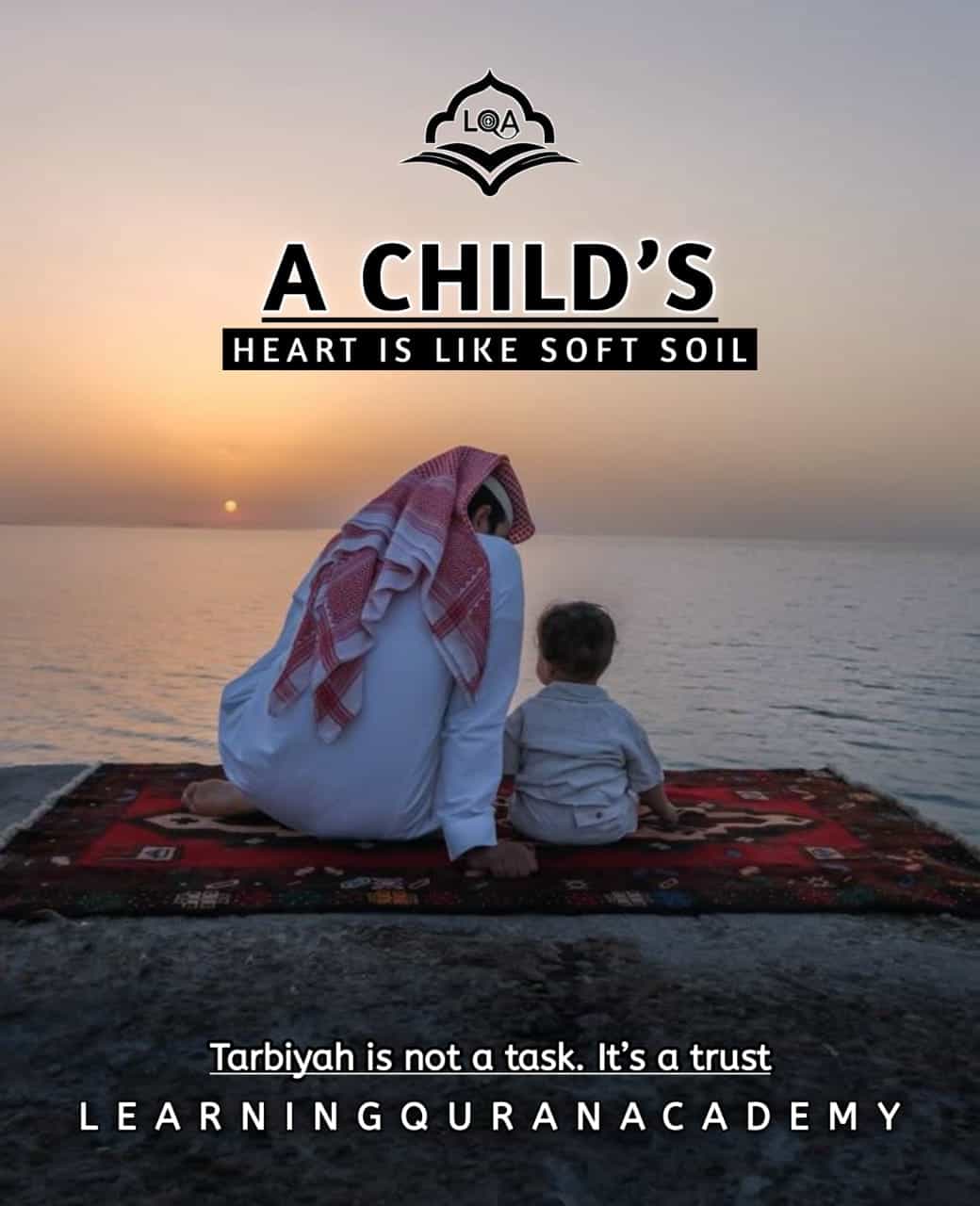
Islamic parents play a pivotal role by shaping the child’s faith and behavior based on their own understanding of Islam.
The home becomes the first institution of Tarbiyah, where values such as Taqwa, respect, and discipline are seeded.
3. Social Education in Islam: Group-Based Tarbiyah
In the Islamic Way of Tarbiyah, social education plays a key role in shaping how individuals interact within schools, madrasahs, and community settings.
Group training involves developing collective discipline, communication, cooperation, and mutual respect among students and teachers. But it also raises questions:
What is the impact of group Tarbiyah on school culture? How should trainers manage differences in abilities, backgrounds, or ethnicities? And what should be avoided in such settings?
The Islamic Way of Tarbiyah teaches that every member of a group must know their role, uphold adab (manners), and strive for unity without suppressing individuality.
As someone who once taught in a multicultural Islamic weekend school abroad, I witnessed firsthand how proper social Tarbiyah transforms a class into a family of faith and respect.
“And hold firmly to the rope of Allah all together and do not become divided. And remember the favor of Allah upon you—when you were enemies and He brought your hearts together and you became, by His favor, brothers…”
— Surah Aal-e-Imran (3:103)
4. Physical Tarbiyah in Islam: Nurturing the Body with Purpose
Physical training is an essential pillar of the Islamic Way of Tarbiyah, where caring for the body is an act of worship.
The Prophet Muhammad ﷺ encouraged strength, cleanliness, and sports like swimming, archery, and horseback riding. But Islamic physical education isn’t just about fitness—it’s about honoring the body Allah gave us.
It covers how to maintain strong muscles, healthy nerves, clean skin, and a sharp memory. It also includes awareness of what harms or benefits the body, from food and rest to thoughts and stress.
True physical Tarbiyah in Islam combines exercise, balanced nutrition, and sensory development—like training the memory, observation skills, and reaction time.
As someone who struggled with energy and focus until adopting prophetic routines like early rising and moderation in eating, I can say from experience: the body affects the soul more than we realize.
Reference: Al-Tibb al-Nabawi by Ibn Qayyim al-Jawziyya, Dar al-Kutub al-Ilmiyyah, Beirut.
5. Spiritual Education in Islam: Nourishing the Soul Through Tarbiyah
In the Islamic Way of Tarbiyah, spiritual education is just as important as physical and mental training.
Just as the body needs food and clothing, the soul needs nourishment—through worship, dhikr (remembrance), tawakkul (trust in Allah), and self-purification.
A person who ignores their spiritual well-being often feels lost, even if everything outward seems perfect.
The Islamic Way of Tarbiyah treats the soul as central to human identity. Without feeding the ruh (soul), the heart becomes hard and disconnected from divine purpose.
As someone who started regular Qur’an recitation during personal trials, I can testify that spiritual Tarbiyah brought more peace than any external solution.
Reference: “Ihya Ulum al-Din” by Imam Al-Ghazali, Dar al-Ma’rifah, Beirut.
6. Social Tarbiyah: Fulfilling One’s Role in an Islamic Society
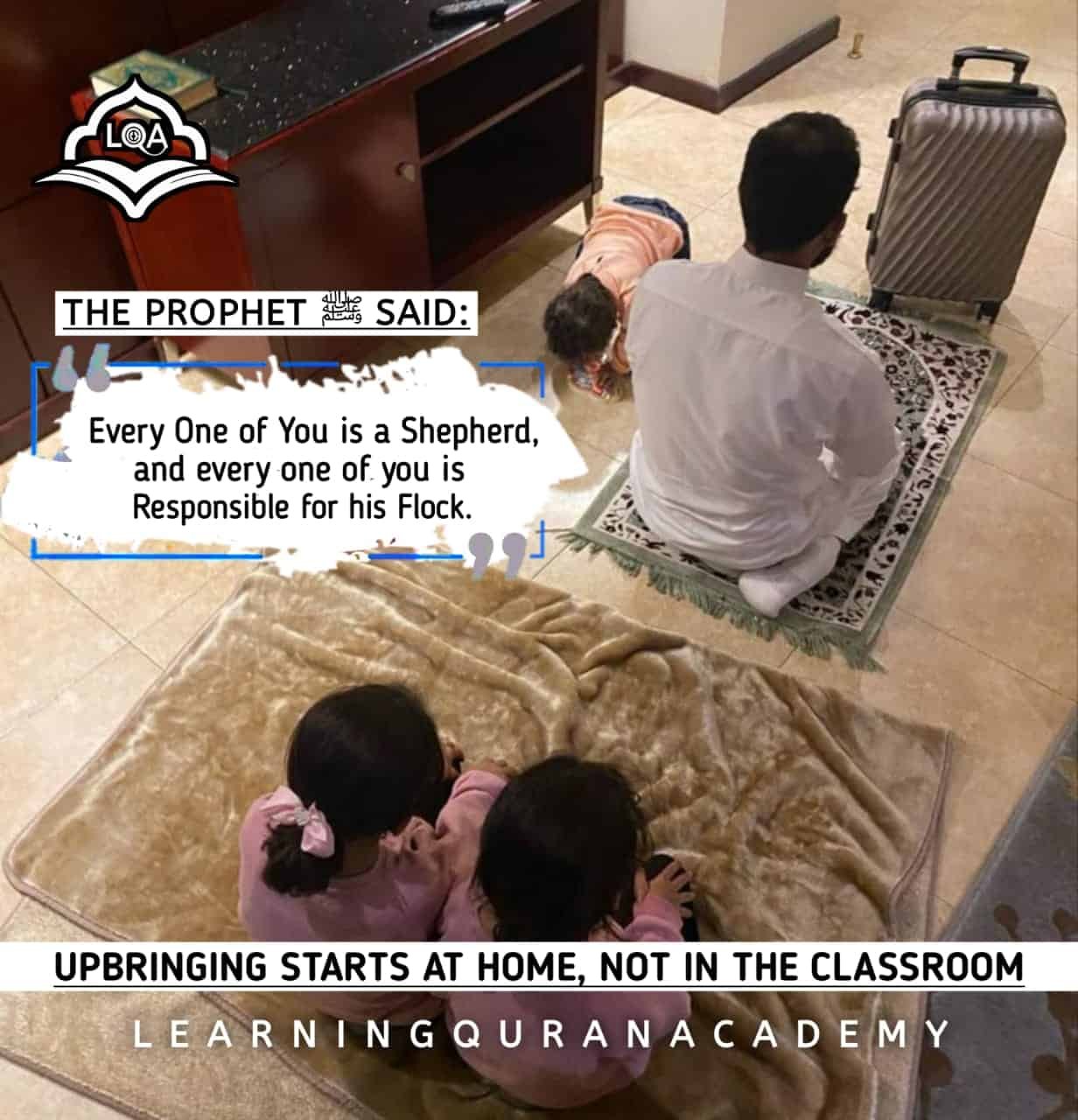
The Islamic Way of Tarbiyah emphasizes training individuals not only for personal piety but also for fulfilling their social responsibilities.
How should a believer live in society? How should they treat others, contribute to justice, and uphold collective well-being?
Through Islamic social Tarbiyah, a person learns compassion, community service, and how to act with fairness.
In my community youth circle, I’ve seen teenagers transform when taught to greet others with salam, respect elders, and help neighbors. It’s a clear fruit of prophetic-style Tarbiyah.
The Islamic Way of Tarbiyah thus builds societies from the ground up—starting with one heart, one home, one habit at a time.
“Indeed, Allah commands justice, good conduct, and giving to relatives, and forbids immorality, bad conduct, and oppression. He admonishes you that perhaps you will be reminded.”
— Surah An-Nahl (16:90)
7. Geographical Tarbiyah: Understanding Environment in Islamic Education
Another unique layer in the Islamic Way of Tarbiyah is geographic awareness. Every region—whether it’s a desert, coastal city, or mountainous area—affects how people live, think, and even train.
The climate, culture, and pace of life shape the way Islamic values are practiced and taught.
The Islamic Way of Tarbiyah encourages educators to consider a city or nation’s geography when designing educational methods.
I once taught in a Gulf country where heat shaped not just dress but learning schedules—and adapting to that reality made teaching smoother and more effective.
Reference: “Al-Tarbiyah wal-Bi’ah” (Education and Environment) by Dr. Fahd Al-Sunaidi, Maktabat al-Ma’arif.
8. Tarbiyah and Rights: Establishing Justice through Islamic Upbringing
In the Islamic Way of Tarbiyah, understanding and fulfilling rights is a fundamental part of one’s education.
This includes parental rights, children’s rights, teacher-student obligations, community duties, and even international ethics between cities and nations.
The Prophet Muhammad ﷺ emphasized the importance of giving everyone their due right.
Islamic upbringing in this area is so vast that summarizing it in a single section barely scratches the surface. If we were to compile only the Qur’anic verses and authentic Hadiths related to rights in Tarbiyah, it would require an entire book.
For example, the rights of parents over children and vice versa are core to Islamic family Tarbiyah.
Likewise, the educator’s responsibilities toward students and students’ respect for their mentors are cornerstones of a successful Islamic educational system.
Reference: “Al-Adab al-Mufrad” by Imam Bukhari – a key text on manners and rights in Tarbiyah.
9. Politics and Tarbiyah: The Role of Leaders in Islamic Moral Development
Another essential yet often overlooked area in the Islamic Way of Tarbiyah is the intersection of politics and education.
How much do rulers invest in their people’s moral upbringing? Are educational institutions like schools, colleges, and mosques genuinely focused on Tarbiyah—or merely used for political influence?
Across generations, the sincerity of political leaders in supporting Islamic education has varied. In some eras, Tarbiyah was embedded in policy.
In others, it was neglected or exploited. The question remains: Do political stakeholders today recognize their moral responsibility in cultivating a God-conscious society?
As someone who taught in a government-funded religious institute, I saw the tension between policy and purpose.
When leadership prioritizes Tarbiyah, the results are seen not only in classrooms but in the overall ethics of a nation.
This discussion calls for deeper exploration of each country’s educational frameworks and how closely they align with the prophetic model of Tarbiyah۔
Suggested Reading: “Islam and the Foundations of Political Order” by Charles Butterworth (for contrast with Islamic governance models).
conclusion
The Islamic Way of Tarbiyah offers a complete, timeless, and holistic system that shapes individuals spiritually, intellectually, physically, and socially.
Rooted in divine wisdom, it nurtures human potential through balance, justice, and purpose.
From personal piety to community building, and from geographical sensitivity to political responsibility, Islamic Tarbiyah transforms not just individuals but entire societies.
In today’s complex world, returning to this prophetic model ensures a generation of believers who live with integrity, clarity, and unwavering connection to Allah ﷻ.