Table of Contents
ToggleConversational Arabic Course: Master Daily Use & Travel Phrases
Our Conversational Arabic Course helps beginners learn practical, everyday Arabic — from greetings and shopping to travel and business phrases — through structured, step-by-step lessons designed for real-life communication.
Master Conversational Arabic in Just 30 Days
Even basic Arabic phrases can make everyday tasks easier — shopping, asking for directions, or greeting neighbors. A beginner-friendly Conversational Arabic Course that focuses on essential expressions helps build real confidence in everyday conversations. Learning practical vocabulary for travel and daily interaction creates stronger cultural connections and smoother experiences. Speaking even a few simple Arabic words can open doors to trust, respect, and friendship — making it a practical, rewarding skill to start learning today.
Essential Arabic Phrases for Travelers
Knowing a few essential Arabic phrases can completely change your travel experience. Simple greetings like As-salamu Alaikum, or knowing how to ask for directions, often make locals more welcoming and conversations much smoother — whether you’re visiting the Gulf region, Egypt, Jordan, or any other Arabic-speaking country.
These travel-friendly phrases are more than just words — they’re a key to smoother, more respectful communication. Learning expressions like Shukran (Thank you) or Kam al-thaman? (How much?) helps with everyday tasks like ordering food, asking for directions, and greeting locals. A structured Conversational Arabic Course can help travelers build this vocabulary quickly, saving time, reducing stress, and creating warmer connections wherever they go.
The Power of Conversational Arabic in Everyday Life
Conversational Arabic plays a valuable role far beyond travel. From greeting neighbors to buying groceries, knowing practical, real-world Arabic helps you feel more connected and confident in daily situations. Even small phrases like Ahlan (Hello) or Shukran (Thank you) can create instant warmth with the people around you.
The benefits of conversational Arabic extend into the workplace, friendships, and cultural understanding as well. With consistent daily practice, everyday moments — ordering coffee, chatting with a colleague, or greeting someone at the masjid — become easier and more meaningful. Learning to speak Arabic in everyday situations is ultimately a path toward genuine human connection and long-term fluency.
A Step-by-Step Guide to Learning Arabic for Beginners
Starting to learn Arabic can feel overwhelming at first, but a clear, structured plan makes the process far more approachable. The key is breaking the language down into manageable steps rather than trying to learn everything at once.
A good beginner-focused Conversational Arabic Course builds a solid foundation first — covering essential expressions and core vocabulary — before gradually introducing more complex conversation skills. This progressive approach helps students build fluency and confidence at a pace that suits them, making everyday conversations feel natural over time.
Essential Arabic Vocabulary for Everyday Conversations
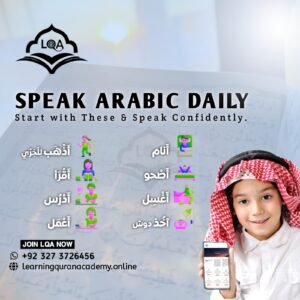
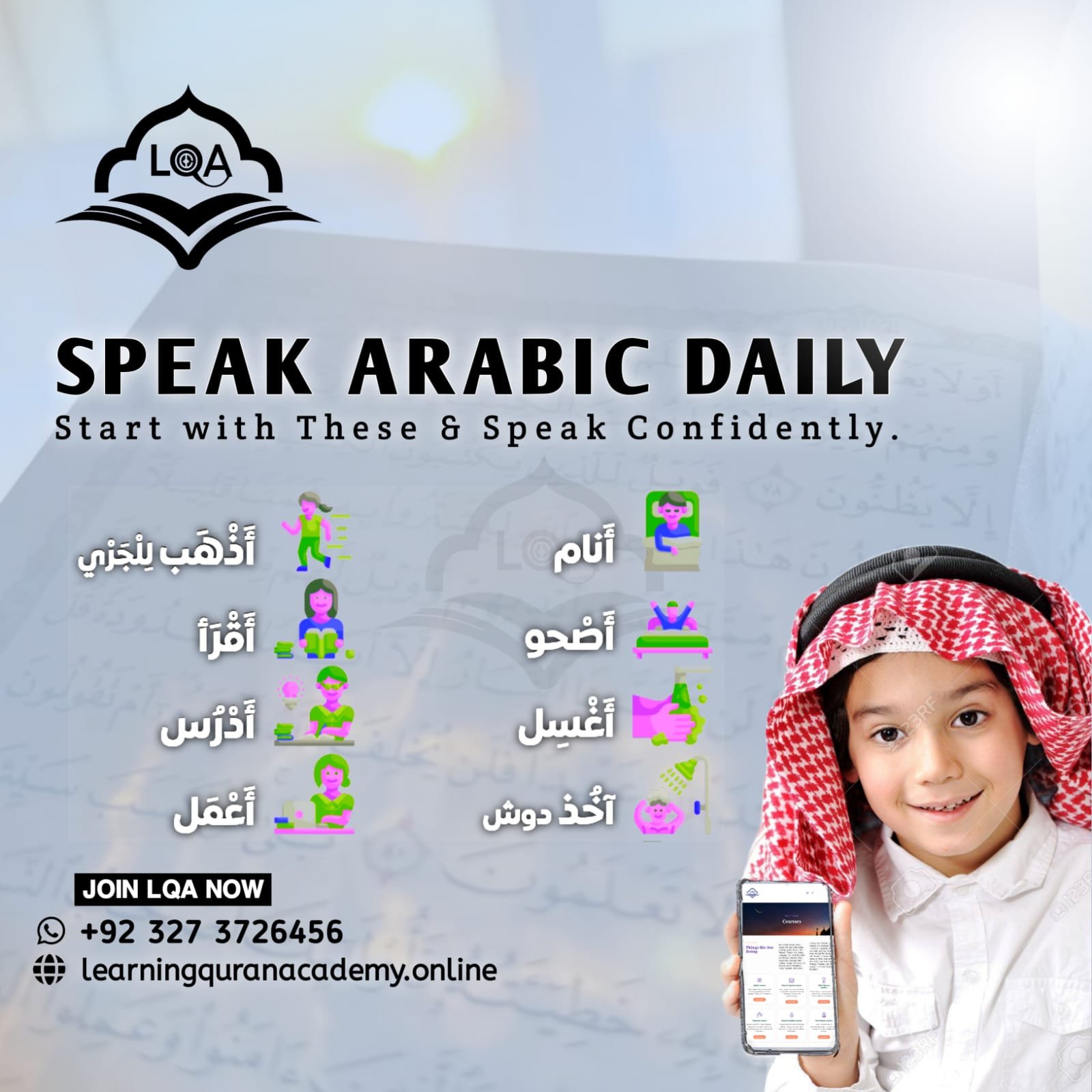
Building the right beginner vocabulary is one of the most important steps in learning to communicate effectively. Focusing on essential, high-frequency words and phrases — the ones used in daily life, like ordering food or asking for directions — creates a strong foundation for real conversations.
Keeping a simple vocabulary list and reviewing it regularly helps reinforce these words over time. For beginners, mastering this core vocabulary early on builds the confidence needed to start speaking — and the more consistently you practice, the sooner fluency follows.
Learn Arabic Fast: Effective Tips and Techniques
Focused, consistent practice is one of the most effective ways to make quick progress in Arabic. Rather than trying to learn everything at once, beginners benefit most from daily practice combined with structured lessons that build on each other.
A well-designed Conversational Arabic Course that emphasizes practical, real-world phrases can help learners build confidence and fluency in a relatively short period — especially when paired with regular speaking practice.
Arabic Pronunciation: Tips to Speak Like a Native
Learning to pronounce Arabic sounds correctly is one of the most important steps in becoming a confident speaker. Consistent practice, paired with a clear pronunciation guide, helps beginners develop accuracy over time.
Paying close attention to Arabic phonetics and imitating native speakers can significantly improve fluency. With regular practice, students gradually become more comfortable speaking with the natural rhythm and pronunciation of a native speaker.
Interactive Lessons and Practice Methods
Interactive lessons — including dialogues, practice exercises, and real-life conversation scenarios — are one of the most effective ways to accelerate language learning. This kind of hands-on practice helps learners apply new vocabulary immediately, improving both speaking and comprehension skills more quickly than passive study alone.
Regular, structured practice through a guided Conversational Arabic Course keeps the learning process engaging while helping students reach their fluency goals in a shorter, more focused timeframe.
Learning Arabic Grammar in Easy Steps
Learning Arabic grammar as a beginner doesn’t need to be overwhelming. Breaking grammar down into small, manageable steps makes it much easier to build a solid foundation.
Starting with the basics of Arabic grammar helps students become familiar with core sentence structures before moving on to more advanced concepts. With consistent practice, understanding Arabic syntax becomes far more natural — helping students build sentences and express ideas with confidence as they progress.
Practical Arabic for Business and Social Situations
Learning business Arabic is a valuable skill for anyone communicating in professional settings. Knowing the right words and phrases helps you connect with clients, colleagues, and partners in a way that’s both professional and culturally respectful.
A Conversational Arabic Course that includes practical business phrases can help professionals feel more confident negotiating, networking, and building long-term relationships with Arabic-speaking colleagues and partners.
Games and Lessons to Learn Arabic Speaking
Coupled interactive Arabic lessons tailored to create fluency form an excellent mechanism of accelerating language learning.
Through the interactive methodologies, learners can immerse themselves in real-life contexts, and thus improve their speaking and comprehension skills at a faster rate.
These lessons emphasize the fluency of the Arabic language with the exercises on the practical level like dialogues, games, and live practice.
By practicing regularly and applying interactive instruction in language teaching, the individuals will quickly develop confidence required in expressing themselves in fluent Arabic.
The interactive nature of these lessons ensures the learning process is not only interesting and effective, but also learners will achieve their goals within a reduced period.
Enroll in Our Conversational Arabic Course Today
At Learning Quran Academy, our Conversational Arabic Course is designed to help beginners build real, practical speaking skills — whether for travel, daily life, or professional communication. Alongside our Quran and Islamic studies programs, this course gives students the tools to communicate confidently in Arabic-speaking environments.
With experienced instructors, structured lessons, and a supportive learning community, you can build fluency step by step, at your own pace. Book a free trial class today and start your journey toward confident, conversational Arabic.
conclusion
Learning Arabic is a valuable skill that enhances communication in daily life, business, and travel. Whether you’re mastering basic phrases or business Arabic, resources like interactive lessons, structured courses, and step-by-step guides make the learning process far more effective. Focusing on pronunciation, grammar, and vocabulary builds real fluency over time — and applying Arabic to real-world situations, whether traveling or working, helps you speak with genuine confidence.