Table of Contents
ToggleQuran Teachings on Forgiveness: What Islam Says About Letting Go
Quick Answer :The Quran teachings on forgiveness encourage Muslims to respond to hurt with mercy patience and self-control. The Quran teaches believers to pardon others and reminds them that Allah loves those who forgive. Forgiveness does not mean ignoring justice. It means letting go of anger and resentment while seeking peace and doing what is right. Through forgiveness believers can purify their hearts strengthen relationships and follow the example of mercy taught by Islam.
The Quran teachings on forgiveness show that pardoning others is not just a noble act, but a way to bring peace and compassion into daily life.
When reflecting on what the Quran says about forgiveness, we find verses encouraging patience, mercy, and the ability to let go of grudges.
These Quran teachings on forgiveness remind believers that forgiving others is a path to inner peace and stronger relationships.
Islam guides us to forgive even when wronged, showing that mercy leads to harmony in family and society. Practicing forgiveness as part of a daily routine means replacing anger with patience and responding to hurt with kindness.
By understanding the Quran teachings on forgiveness more deeply, believers gain guidance for living with compassion and maintaining peace in their hearts. This timeless lesson fosters mercy, balance, and harmony in everyday life.
What Is the True Meaning of Forgiveness in Islam and the Quran?
The true meaning of forgiveness in Islam is rooted in mercy and purification of the heart. The Islamic concept of forgiveness in the Quran emphasizes that letting go of grudges is an act of rahmah (mercy) and justice. Allah says:
“Let them pardon and forgive. Do you not love that Allah should forgive you?” (Surah An-Nur 24:22)
This verse shows that forgiveness is a divine command, tied to kindness and purification of the soul.
From personal experience, practicing forgiveness in Islam brings real peace in family matters. When someone forgives a person who has wronged them, they often feel a deep sense of relief — proving that forgiveness in Islam is more than just words;
it is a form of healing. The Quranic concept of forgiveness is not only about others; it is also about seeking Allah’s mercy through repentance and extending that same mercy to people in daily life.
Which Quranic Verses Teach Forgiveness and What Lessons Do They Hold?
The Quranic verses about forgiveness guide believers toward mercy, patience, and reflection. These verses highlight that forgiving others is a path to inner peace and spiritual growth. Allah says:
“And let them pardon and forgive. Do you not love that Allah should forgive you?” (Surah An-Nur 24:22)
This ayah teaches that showing kindness and letting go of anger mirrors Allah’s infinite mercy.
Tafsir scholars explain that forgiveness in the Quran is not weakness but strength — a tool for moral refinement and social harmony.
Practicing forgiveness in daily life allows believers to resolve conflicts and strengthen relationships.
Reflecting on these verses in moments of hurt can bring emotional relief and clarity. Each of these verses reveals that mercy, patience, and reflection are essential in Islam, guiding believers to live with compassion while seeking Allah’s pleasure.
How Does Allah's Mercy Show His Infinite Forgiveness in the Quran?
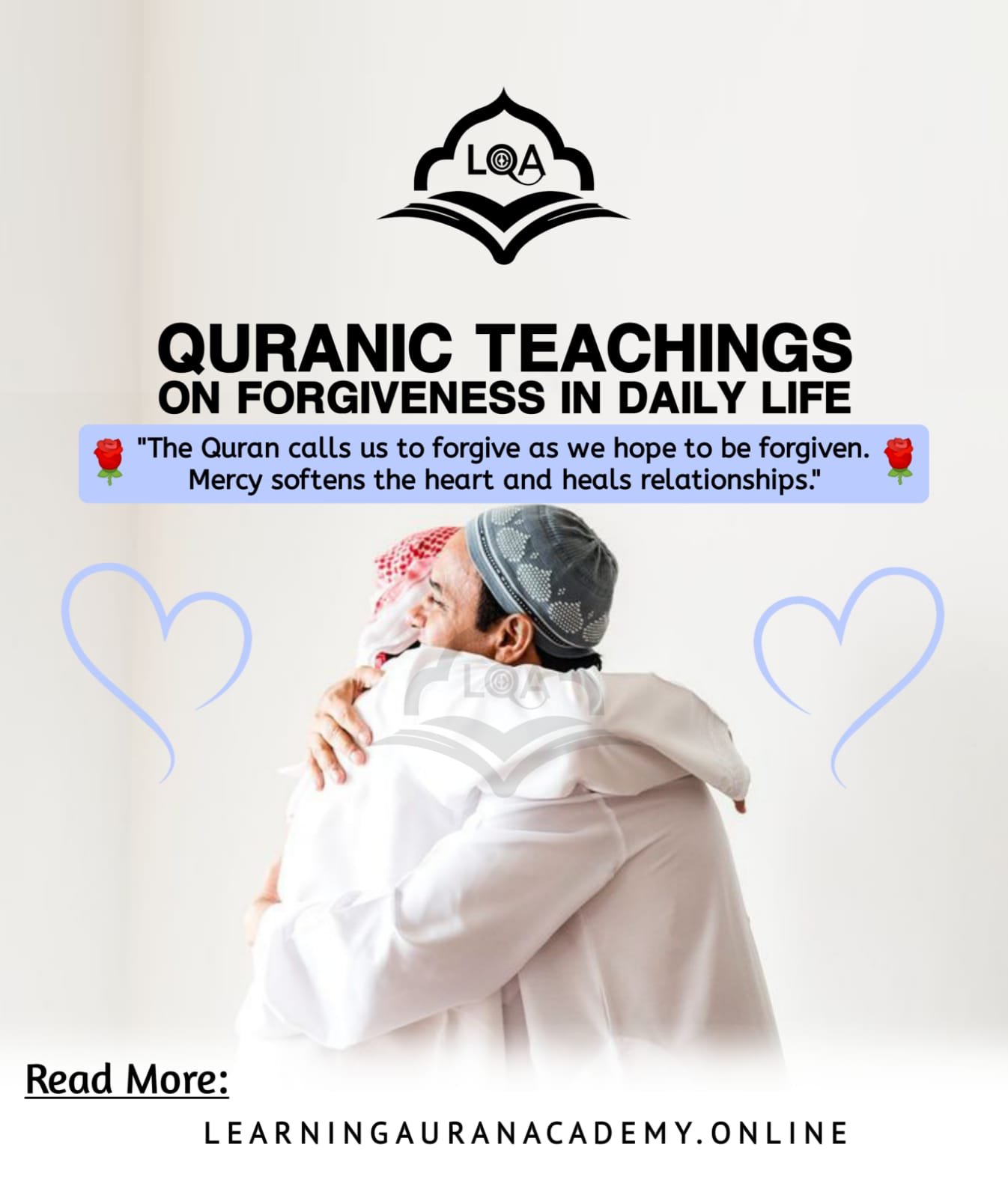
Allah’s mercy and forgiveness in the Quran reflect His immense compassion. The infinite forgiveness of Allah shows that no matter how many mistakes a person makes, sincere repentance opens the door to His grace. Allah says:
“Say, ‘O My servants who have transgressed against themselves, do not despair of the mercy of Allah. Indeed, Allah forgives all sins.'” (Surah Az-Zumar 39:53)
This verse sheds light on the fact that hope and forgiveness are central to Islam, encouraging believers to seek Allah’s guidance with humility and patience.
The Quran reminds us that Allah is Al-Ghaffar — the Most Forgiving — and teaches believers to reflect that same mercy in their daily conduct.
By forgiving others with genuine compassion, believers experience spiritual cleansing and emotional peace. Reflecting on Allah’s mercy often helps people respond to conflict with patience and kindness, turning difficult moments into opportunities for growth and inner calm.
What Are the Best Prophetic Examples of Forgiveness in Islamic History?
Examples of forgiveness in Islam are beautifully illustrated through the life of Prophet Muhammad ﷺ. His Sunnah demonstrates patience, compassion, and mercy — even toward those who wronged him.
One well-known example: when the people of Ta’if insulted and harmed him, the Prophet ﷺ prayed for their guidance rather than seeking revenge (Ibn Hisham, Sirah of the Prophet, Vol. 2, p. 295).
This story highlights that true forgiveness reflects divine mercy and kindness. The Prophet’s ﷺ example teaches believers to act with dignity and patience, and these stories from Islamic history show that forgiving others strengthens relationships and nurtures inner peace.
Reflecting on how the Quran teaches about forgiveness alongside the Prophet’s ﷺ example can inspire believers to handle conflicts with patience and empathy — turning difficult moments into lessons of mercy, compassion, and moral growth.
Following his example, we learn that forgiveness is a core principle in Islam that transforms hearts and societies.
What Are the Spiritual and Emotional Benefits of Forgiving Others?
The benefits of forgiveness in Islam go beyond moral duty — they offer deep spiritual and emotional rewards. Through forgiveness, believers can let go of anger, resentment, and negativity, replacing them with mercy and compassion. Allah says:
“And whoever pardons and makes reconciliation, his reward is [due] from Allah.” (Surah Ash-Shura 42:40)
This verse shows that forgiving others nourishes inner peace and invites divine blessing.
By learning how the Quran teaches about forgiveness, believers can find emotional peace through letting go of resentment and embracing patience — fostering personal growth, stronger character, and resilience during challenging times.
Research also shows that practicing emotional forgiveness reduces stress and supports a more balanced, satisfied life.
The benefits of forgiveness in Islam extend beyond the individual — kindness shown to others also becomes a path toward self-purification and peace. Communities thrive when forgiveness becomes a guiding principle in daily life.
How Does Forgiveness Strengthen Family, Society, and Relationships?
Forgiveness plays a crucial role in maintaining unity, love, and harmony within family life. Islamic teachings on forgiveness in relationships emphasize that letting go of grudges strengthens emotional bonds and fosters mutual respect. Allah says:
“Repel evil with that which is better. Then the one between whom and you there was enmity will become as though he was a devoted friend.” (Surah Fussilat 41:34)
This verse shows that forgiveness brings peace and restores trust within families and communities.
Forgiveness in Islamic society promotes harmony, reduces conflict, and encourages compassion among neighbors and colleagues. Many people find that practicing forgiveness, as taught in Islam, can rebuild a friendship that was once strained — often making it stronger than before.
These experiences illustrate that forgiveness in Islam not only heals hearts but also unites families and communities, creating lasting emotional peace and social stability.
What Are Practical Quranic Steps to Practice Forgiveness Every Day?
Practicing forgiveness in Islam requires sincere intention, patience, and daily effort. The Quran guides believers to replace anger with mercy and to respond to injustice with grace. Allah says:
“Good and evil deeds are not equal. Repel evil with what is better.” (Surah Fussilat 41:34)
This verse teaches that forgiving others with sincerity strengthens character and promotes harmony.
Daily practice in Islam includes self-reflection, seeking blessings, and exercising self-control. Muslims are encouraged to pause before reacting — seeking Allah’s guidance and forgiving those who have caused hurt.
Many believers find that consciously following these Quranic steps toward forgiveness improves relationships, reduces stress, and brings peace to the heart.
Practicing forgiveness daily becomes not just a moral duty but a path toward spiritual growth, emotional balance, and stronger relationships with family and society.
How to Overcome Anger, Grudges, and Ego Through Quranic Guidance?
Overcoming anger in Islam requires patience, humility, and conscious effort guided by the Quran. Islamic teachings on controlling anger emphasize letting go of resentment through emotional and spiritual means. Allah says:
“Those who control their anger and forgive people — Allah loves those who do good.” (Surah Aal-Imran 3:134)
This verse shows that controlling ego and anger is a sign of inner strength and closeness to Allah.
Many believers find that applying Quranic guidance to manage ego transforms how they respond to daily conflicts and conversations.
By practicing self-awareness, seeking help from Allah through dua, and exercising self-control, believers can replace anger with compassion.
This approach to forgiveness — rooted in humility and patience — not only purifies the heart but also creates harmony within families, communities, and personal life.
What Is the Balance Between Forgiveness and Justice in Islam?
Balancing forgiveness and justice in Islam means upholding mercy while also protecting people’s rights. Islamic teachings on justice and forgiveness work together to ensure fairness while encouraging compassion. The Prophet ﷺ said:
“The strong person is not the one who overcomes people through strength, but the one who controls himself while in anger.” (Sahih al-Bukhari)
This hadith teaches that true strength lies in forgiveness while remaining just and fair.
This balance encourages believers to act with wisdom and patience in resolving conflict. Applying these principles of forgiveness alongside justice allows disagreements to be resolved respectfully,
without holding on to rights being ignored or grudges being carried. Integrating forgiveness with justice strengthens relationships, brings inner peace, and nurtures harmony within family and society.
How to Apply Quranic Teachings on Forgiveness in Today's Modern World?
Applying the Quran’s teachings on forgiveness today means integrating timeless guidance into modern life. Islam teaches that mercy, patience, and compassion remain essential — even amid fast-paced challenges and complex relationships. The Prophet ﷺ said:
“Whoever suffers an injury and forgives, Allah will raise his status to a higher degree.” (Sahih Muslim, Hadith 2588)
This hadith highlights that forgiving others brings both spiritual growth and inner peace.
Modern challenges — including workplace conflicts, social misunderstandings, and family tension — can all be approached through the lens of forgiveness.
By practicing self-control, reflection, and sincere dua, believers can navigate these situations while upholding Islamic principles.
Consciously applying forgiveness in daily life improves relationships, reduces stress, and fosters harmony within society.
Applying the Quran’s teachings on forgiveness today is not just a moral duty — it is a path to emotional resilience, spiritual purification, and communal peace.
Where Can You Learn More About Forgiveness with Our Quran Academy?
Discover the power of forgiveness with Learning Quran Academy through our Quran and Forgiveness course. This course provides clear guidance on how to apply mercy, patience, and compassion in daily life. The Prophet ﷺ said:
“Whoever pardons and makes reconciliation, his reward is [due] from Allah.” (Sahih Muslim, Hadith 2577)
This hadith highlights that true forgiveness brings both spiritual growth and emotional peace.
At Learning Quran Academy, students learn practical steps to embody forgiveness in relationships, family life, and society. The course combines Quranic guidance, Sunnah examples, and reflective exercises to help develop self-control, empathy, and moral strength.
Students can learn at their own pace, interact directly with instructors, and apply these lessons to real-world situations.
By completing this course, students gain not only knowledge but also the ability to transform their hearts, relationships, and communities through the true spirit of forgiveness in Islam.
Conclusion
Understanding the Quran teachings on forgiveness — and applying its practical steps in daily life — strengthens the heart, relationships, and society as a whole. Recognizing the importance of forgiveness in Islam guides believers toward mercy, patience, and harmony, while the examples set by the Prophets ﷺ show what compassion in action truly looks like.
Enrolling in a Quran and Forgiveness course with Learning Quran Academy can help you put these timeless teachings into practice — building not just knowledge, but a more forgiving, peaceful heart.