Table of Contents
ToggleSummary First
The article explains the Rights of neighbors in the Quran, highlighting Islamic teachings, Prophetic advice, ethical conduct, kindness, and compassion.
It shows practical steps for maintaining strong neighborly relationships, promoting social harmony, community building, and moral responsibility in daily life.
Table of Contents
The Rights of Neighbors in the Quran: A Comprehensive Overview
Last summer, I moved into a new home where my neighbor, an elderly man named Rahman, welcomed me with a warm smile and shared fruits from his garden.
His kindness reminded me of the deep neighborly duties taught in Islam.
In the Quranic view on neighbor relations, our bond with neighbors is not limited to greetings or favors—it reflects our social responsibilities and connection with Allah.
The Quran emphasizes the importance of treating neighbors with kindness and respect as a part of one’s faith. Allah says:
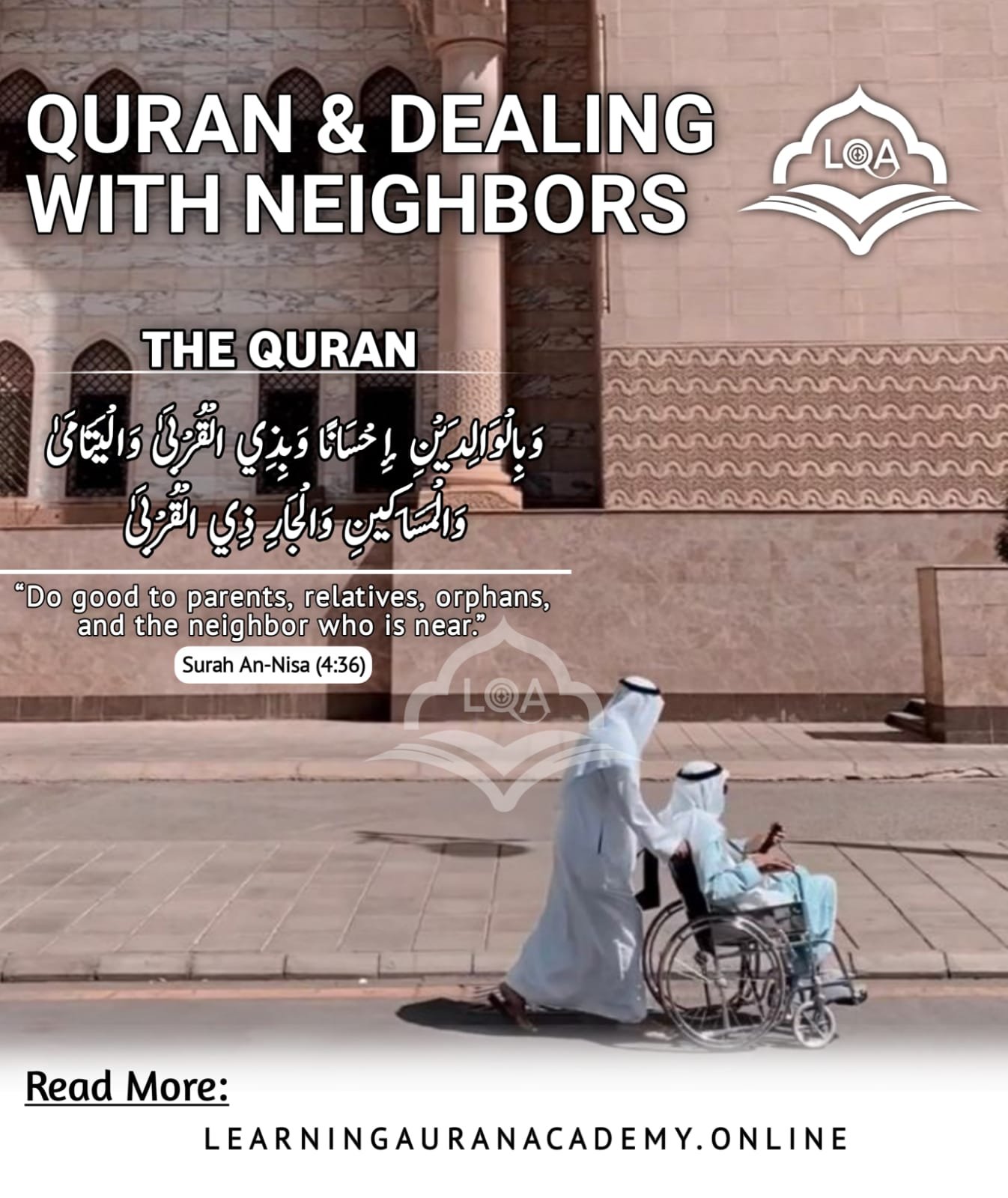
“And worship Allah and associate nothing with Him, and to parents do good, and to relatives, orphans, the needy, the neighbor who is near, the neighbor who is a stranger…” (Quran 4:36).
This ayah highlights that neighbors in Islam, whether familiar or strangers, hold a sacred right over us.
The Prophet Muhammad ﷺ further said: “Jibril kept advising me about treating the neighbor well until I thought he would make him an heir.”
This hadith shows how Islamic teachings on the rights of neighbors aim to build social harmony and strengthen community building.
True Quranic rights of neighbors inspire compassion, peace, and unity—values essential for Islam and society today
What the Quran Says About Treating Neighbors with Respect
scholar Ali Hasan Abdel-Hamid explains how the early Muslims demonstrated deep respect and kindness toward their neighbors, reflecting pure Quranic values and Islamic ethics.
Their gentle manners and concern for others were a living example of how the Quran teaches respect for neighbors through sincere actions and good character.
The Quran instructs Muslims to treat neighbors honorably, protect their rights, and ensure they feel safe.
This principle builds peaceful communities founded on trust and compassion. The Prophet Muhammad ﷺ said:
“He is not a believer whose neighbor is not safe from his harm.” (Sahih Muslim)
This hadith highlights that neighbor rights are integral to Quranic morality and ethical behavior.
Causing harm or neglecting a neighbor’s needs weakens the moral fabric of society
True Islamic respect for neighbors means helping them in hardship, sharing in their joy, and promoting harmony through good conduct and sincere care.
Prophet Muhammad’s (PBUH) Teachings on Neighborly Relations
In Riyāḍ as-Ṣāliḥīn, Imam An-Nawawi includes a touching chapter titled “Rights of Neighbors.”
It recounts how the Prophet Muhammad (PBUH) treated his neighbors with compassion and kindness, regardless of their faith or background.
His daily interactions reflected pure ethical conduct and a deep sense of social responsibility.
The Prophet’s advice emphasized that faith is incomplete without good neighborly relations, showing that respect, patience, and empathy form the core of true Islamic character.
The Quran supports this noble teaching, reminding believers to act with humility and mercy:
“And lower to them the wing of humility out of mercy and say, ‘My Lord, have mercy upon them as they brought me up [when I was] small.’” (Quran 17:24)
This verse reflects the essence of Prophetic guidance on treating neighbors—to lower one’s ego and approach others with gentleness.
Through the Prophet’s teachings, Muslims learn that good neighborly behavior strengthens unity, while neglect or harm weakens faith.
True believers follow the Sunnah and neighbors’ rights by spreading peace, generosity, and respect in their communities.
The Importance of Kindness and Compassion Toward Neighbors in Islam
In his beautiful treatise “Establishing the Rights of the Neighbour,” Shaikh Zaid bin Haadee al-Madkhalee highlights how Islam transforms everyday interactions into acts of worship.
The early Muslims practiced genuine neighborly kindness, always ready to share food, visit the sick, and offer help.
Such acts of kindness reflected deep Islamic values of mercy and respect. This spirit of compassionate behavior built harmony, trust, and a sense of belonging within their communities.
The Prophet Muhammad ﷺ beautifully summarized this virtue, saying:
“The best of friends to Allah is the one who is best to his friend, and the best of neighbors to Allah is the one who is best to his neighbor.” (Sahih Bukhari)
This hadith explains that kindness to neighbors in Islam is more than social courtesy—it is a sign of faith.
When a Muslim shows compassion toward neighbors, they follow the path of peace and humility.
Such mutual respect and Islamic compassion nurture unity and strengthen societies, reminding believers that mercy toward others is a reflection of devotion to Allah.
Islamic Ethics of Neighborliness: More Than Just Social Norms
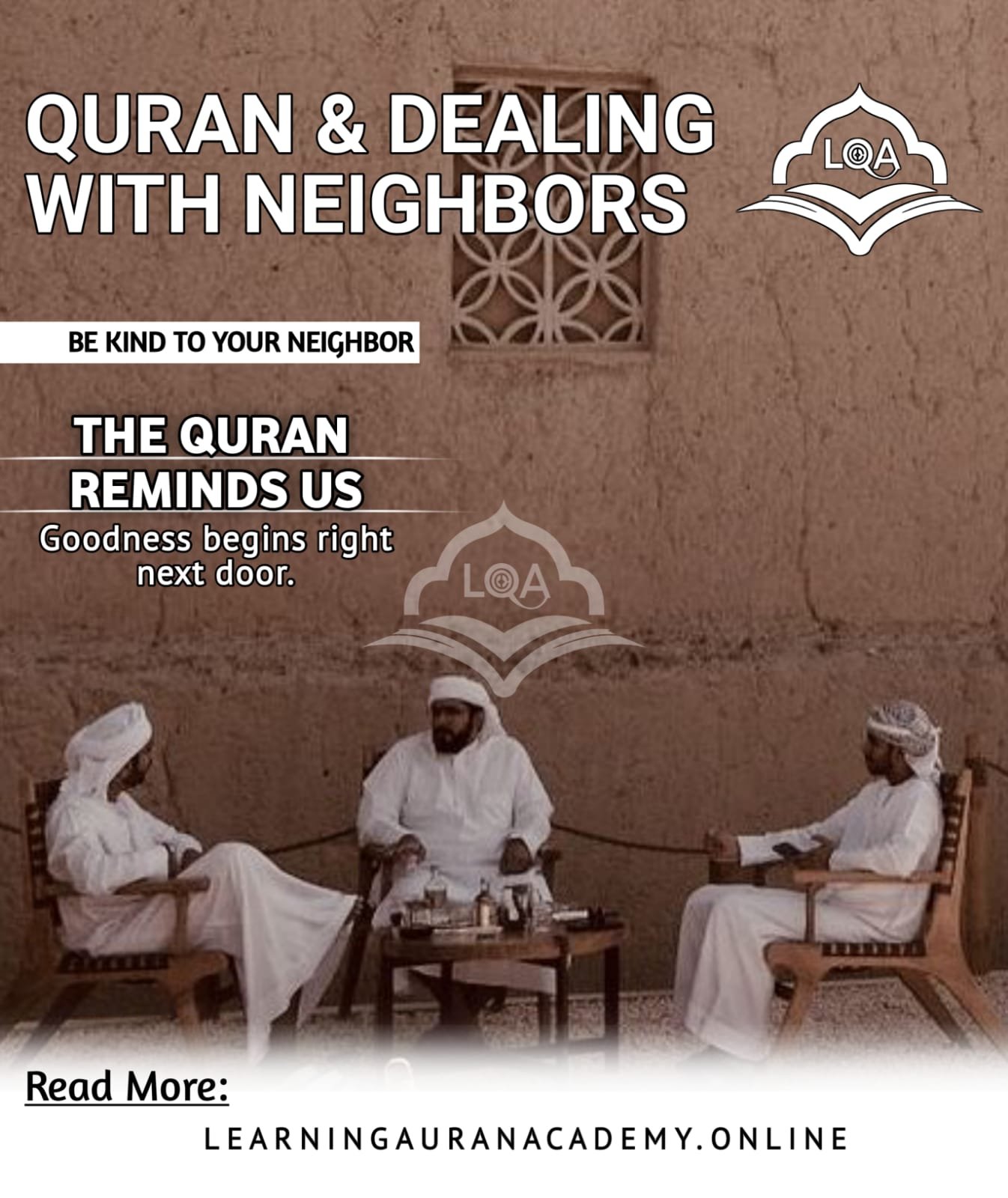
Islam teaches that neighborly conduct is far more than mere social etiquette.
It reflects deep Islamic ethics and morality and behavior, ensuring that neighbors’ rights are respected, needs are met, and bonds of trust are nurtured.
In early Muslim communities, neighbors were treated like extended family, receiving care, guidance, and support in both worldly matters and spiritual growth.
Such neighborly duties strengthen community values and promote social harmony.
The Quran emphasizes mutual respect in daily interactions:
“And if you greet with a greeting, then return it with one better than it or at least the same.” (Quran 4:86)
This ayah highlights that simple acts of courtesy—like greetings—are part of Islamic neighborly ethics, fostering goodwill and trust.
Islam encourages believers not only to provide physical help but also to offer spiritual support, ensuring the well-being of neighbors in this world and the Hereafter.
Following these principles builds strong, compassionate communities where empathy and respect guide all relationships,
showing that Islamic teachings on neighbors go far beyond ordinary social norms in Islam.
What Islam Says About Helping Neighbors in Times of Need
In his famous hadith collection, Imam al-Bukhari records numerous accounts highlighting the importance of friendship and neighbors’ rights.
One story recounts how early Muslims would immediately assist neighbors in need, whether offering food during scarcity or emotional support during grief.
These acts of helping others reflected a deep sense of social responsibility and Islamic charity, demonstrating that caring for neighbors is a reflection of true faith.
Helping neighbors in need in Islam is more than encouragement—it is a moral obligation. The Prophet Muhammad ﷺ said:
“A man asked the Prophet (PBUH), ‘O Messenger of Allah, who is the most beloved of Allah?’ The Prophet replied, ‘The one who is most beneficial to the people.’” (Daraqutni)
This hadith emphasizes that supporting neighbors during hardship in Islam strengthens community support and fosters lasting bonds.
Providing material help and emotional care during crises ensures neighbors in need feel valued and protected.
Through such actions, Muslims uphold Islamic principles of assisting neighbors, promoting harmony, compassion, and resilience in society.
True charity in Islam extends beyond wealth—it is expressed through empathy, aid, and unwavering concern for those around us.
The Role of Good Neighborly Relations in Building a Strong Muslim Community
In his renowned fiqh work “Bulugh al-Maram,” Imam Ibn Hajar al-Asqalani discusses the rights of neighbors and their impact on community cohesion.
He recounts stories of early Muslims who actively nurtured neighborly relations, resolving disputes, sharing resources, and offering support during hardship.
These actions not only ensured community support but also strengthened social bonding and Islamic unity, creating neighborhoods where trust and cooperation thrived.
Neighbor relations and community building in Islam are essential for fostering a peaceful and stable society. The Quran emphasizes this principle:
“Indeed, the believers are but brothers, so make peace between your brothers.” (Quran 49:10)
This ayah underlines that good neighbors and a strong Muslim community are interlinked
Positive neighborly relations contribute to community strength, building harmony and security.
Islam encourages helping neighbors, resolving conflicts amicably, and maintaining fairness, ensuring unity in Islam.
Strong bonds between neighbors create a strong society, where mutual care and cooperation promote peace, stability, and a sense of belonging.
True believers uphold neighborly duties and the duties of wife according to Quran, reflecting the ethical and spiritual teachings of the Prophet ﷺ in everyday life.
Practical Steps to Strengthen Neighborly Relations According to Islamic Teachings
Islam provides clear guidance for cultivating strong neighborly respect and lasting social connection.
Early Muslim communities set remarkable examples by practicing simple yet meaningful gestures—greeting neighbors warmly, offering help in daily tasks, and assisting during emergencies.
These actions reflect Islamic teachings on compassion, responsibility, and maintaining peaceful relations within the community.
To strengthen bonds, Islam encourages proactive measures: checking on neighbors’ well-being, sharing resources
resolving disagreements calmly, and supporting one another in both physical and emotional needs. The Prophet Muhammad ﷺ said:
“Whoever believes in Allah and the Last Day, let him not harm his neighbor.” (Sahih Bukhari)
This hadith emphasizes that practical advice for neighbors is not merely etiquette—it is a moral obligation.
By consistently respecting neighbors’ rights and engaging in acts of kindness, Muslims foster daily actions that strengthen community trust and harmony.
Following these steps ensures that steps to improve neighbor relations in Islam go beyond words, creating tangible bonds of care and empathy.
Such conduct reflects the broader values of Islam and family, showing how the Quran and daily life guide us in building resilient, compassionate communities where everyone feels valued and secure.

Join Our Islamic Social Ethics Course: Understanding Neighborly Rights in the Quran
Enroll in our online course in Learning Quran Academy to explore neighborly rights education and the broader scope of Islamic social ethics course on neighbors.
This program offers in-depth Islamic learning, guiding students through Quranic teachings and Prophetic guidance on respecting neighbors and fostering harmony in communities.
By taking this course, participants gain practical strategies for embodying neighborly rights in Islam, improving relationships, and contributing to stronger, compassionate communities.
Whether for personal growth or spiritual enrichment, this understanding neighbor rights in Islam course equips learners to practice kindness, empathy,
and ethical behavior daily, making online Islamic courses a transformative step in spiritual growth and Islamic education.
conclusion
Understanding neighbor rights in the Quran is essential for cultivating Islamic ethics, social harmony, and community strength.
Through Prophetic guidance, Quranic teachings, and practical steps, Muslims learn the value of kindness to neighbors in Islam, compassionate behavior,
and supporting neighbors during hardship in Islam. Upholding these principles fosters peaceful relations, strengthens neighborly bonds, and promotes unity in Islam.
Enrolling in Islamic social ethics courses on neighbors provides deeper neighborly rights education,
empowering individuals to implement these teachings in daily life for a more caring and resilient society.